
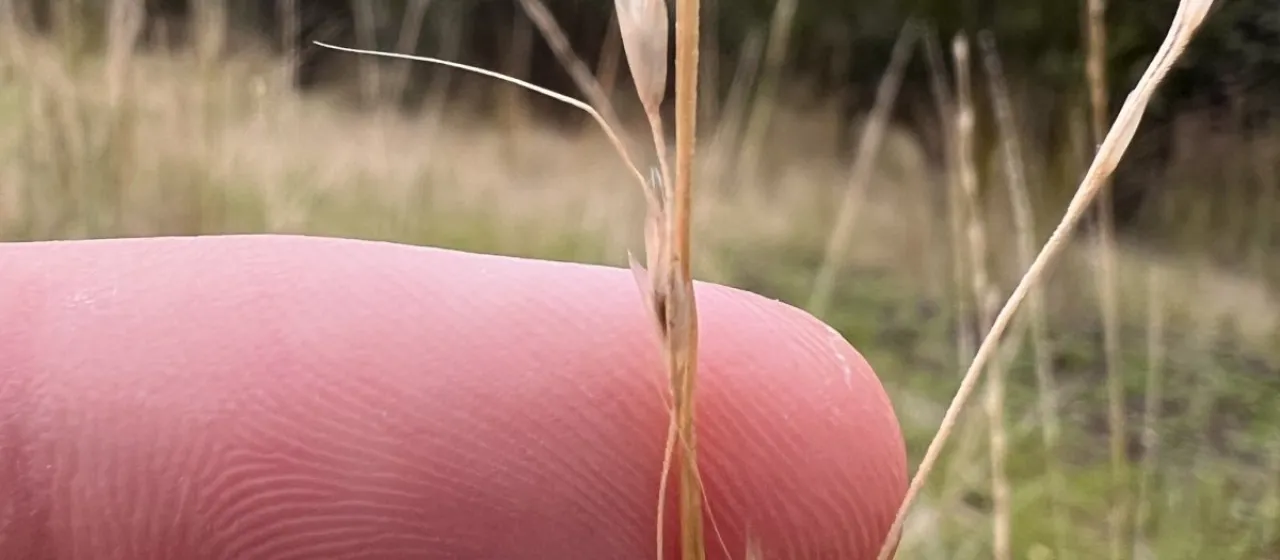
Description
Helictotrichon neesii is a perennial herbaceous plant belonging to the Poaceae family. Known for its resilience, this grass is a valuable species in natural steppe ecosystems and is increasingly studied for its potential in sustainable pasture management and soil conservation programs.
The origin of this species is linked to the temperate regions of Eurasia. It is naturally found in dry meadows, rocky slopes, and open fields, where it has evolved to thrive in nutrient-poor soils and under conditions of irregular precipitation, making it a robust survivor in harsh climates.
Botanically, the plant is characterized by its dense tufted growth habit and narrow, rigid leaf blades. It produces panicle inflorescences that are wind-pollinated. The root system is significantly deep, allowing the plant to access subsoil moisture during peak summer droughts, which distinguishes it from many other cultivated pasture grasses.
Agronomic requirements emphasize the need for well-drained soils and high solar exposure. The species is highly intolerant of waterlogging, so site selection is critical for successful establishment. Once established, it requires little input, though controlled grazing management is essential to maintain the productivity and longevity of the stand.
In terms of agricultural use, Helictotrichon neesii is primarily valued for livestock grazing in areas where other forage crops might fail. While it is generally resistant to most pests, farmers should monitor for fungal pathogens that may appear in seasons with exceptionally high humidity, ensuring adequate air circulation through appropriate stocking densities.
- Superior drought tolerance.
- Excellent soil erosion control properties.
- Resilience to grazing pressure.
- Low maintenance requirements for established stands.