Smooth oxeye
Heliopsis helianthoides (L.) Sweet
Description
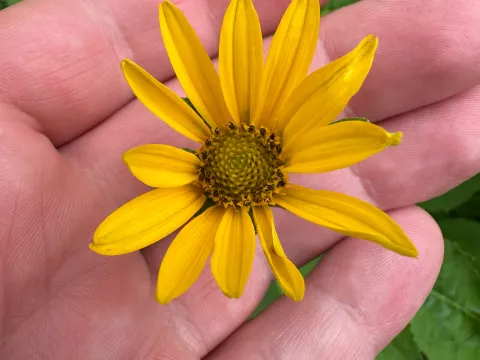
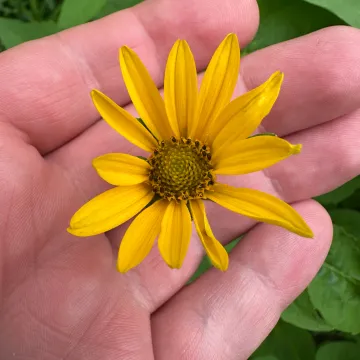
Heliopsis helianthoides, commonly known as smooth oxeye or false sunflower, is a robust herbaceous perennial belonging to the Asteraceae family. It is a popular garden plant prized for its long-lasting, vibrant yellow daisy-like flowers that bring intense color to landscapes during mid-to-late summer when many other plants begin to fade.
This species is native to North America, naturally occurring in prairies, open woodlands, and meadows. Its historical range extends across much of the Eastern and Central United States and parts of Canada. Due to its inherent hardiness, it has been introduced into many other temperate regions globally, where it adapts well to various soil types and climatic conditions.
Botanically, the plant features erect, branching stems that grow between 60 and 150 centimeters tall. The leaves are ovate-lanceolate, coarsely toothed, and arranged oppositely along the stems. The flower heads are composed of yellow ray florets surrounding a deeper yellow or brownish central disk, providing a rich source of nectar for local pollinators, especially bees and butterflies.
Regarding cultivation, Heliopsis helianthoides is remarkably unfussy. It thrives in full sun but can tolerate light shade. While it prefers moist, fertile, well-drained soil, it is known for its moderate drought tolerance once established. Standard agrotechnical practices include thinning out older clumps every few years to maintain vigor, providing moderate irrigation during dry spells, and applying balanced fertilizers in early spring.
The primary use of the plant is in ornamental landscaping, particularly in cottage gardens, prairie-style plantings, and perennial borders. Common issues encountered by growers include powdery mildew, which often appears in stagnant, humid air, and infestations by aphids or leaf-feeding beetles. Regular garden hygiene and site selection with good air circulation are usually sufficient to mitigate most disease pressures without heavy chemical intervention.
Photo gallery