
Description
Scorpionstail (Heliotropium angiospermum) is a herbaceous plant belonging to the Boraginaceae family. Known for its distinct inflorescences that resemble the tail of a scorpion, this species is gaining attention in ecological research and sustainable agriculture as a resilient component of local ecosystems.
Originally native to tropical and subtropical regions of the Americas, this plant has expanded its range through natural distribution and human activity. It is primarily found in disturbed habitats, roadsides, and open fields, demonstrating a high degree of phenotypic plasticity that allows it to thrive in diverse environmental conditions.
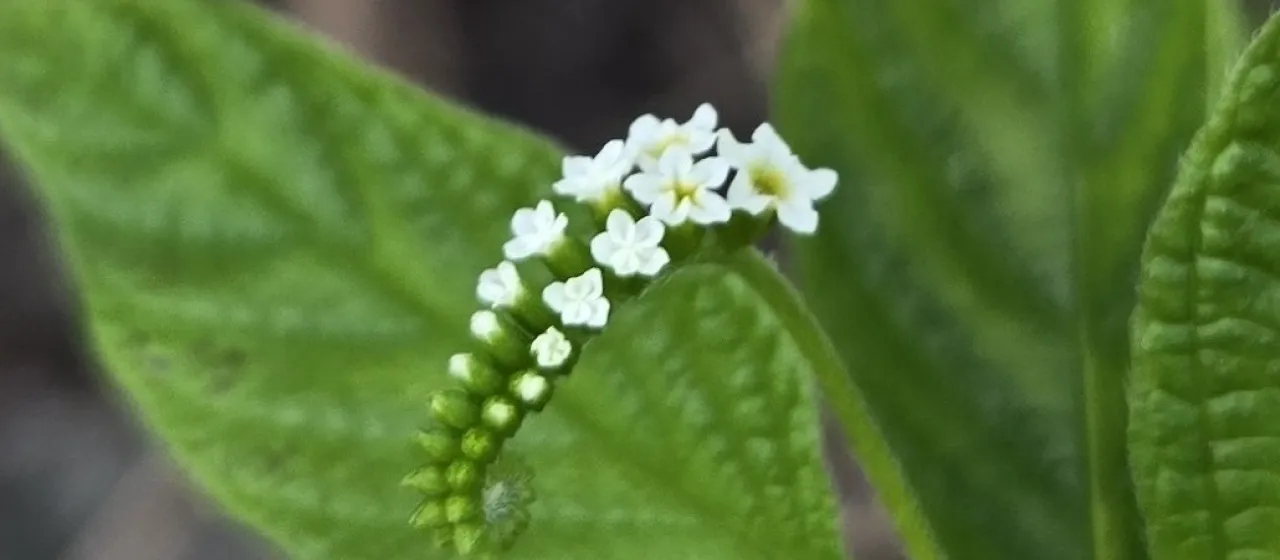
From a botanical standpoint, the plant is characterized by its serrated leaves and coiled, one-sided spikes of small, white flowers. The plant's structure is optimized for survival in high-light environments, with physical adaptations that minimize water loss and allow for efficient photosynthesis under intense sunlight.
Regarding agrotechnical requirements, Scorpionstail performs best in well-drained, sandy or gravelly soils. It does not require high levels of soil fertility, making it a candidate for restoring degraded landscapes. Proper cultivation involves minimal irrigation, as the plant is highly drought-tolerant, but it does require protection from competing weeds during the establishment phase.
While not a major commercial crop, its use is directed toward pollinator support and ground cover in arid zones. Farmers and gardeners should be aware that, like many species in the Boraginaceae family, it may contain pyrrolizidine alkaloids, which necessitates careful management if grown in areas accessible to livestock to prevent accidental ingestion.