
Description
Heliotropium bovei is a perennial herbaceous plant belonging to the Boraginaceae family. This species is native to arid and semi-arid regions of the Middle East, where it has evolved to thrive in harsh environments characterized by low precipitation and high solar radiation.
The distribution of this species is largely restricted to stony deserts and dry scrublands. Its geographic origin makes it highly specialized for survival in regions where nutrient-poor, saline, or sandy soils predominate. It plays an important role in local biodiversity as a resilient plant capable of surviving extreme climate oscillations.
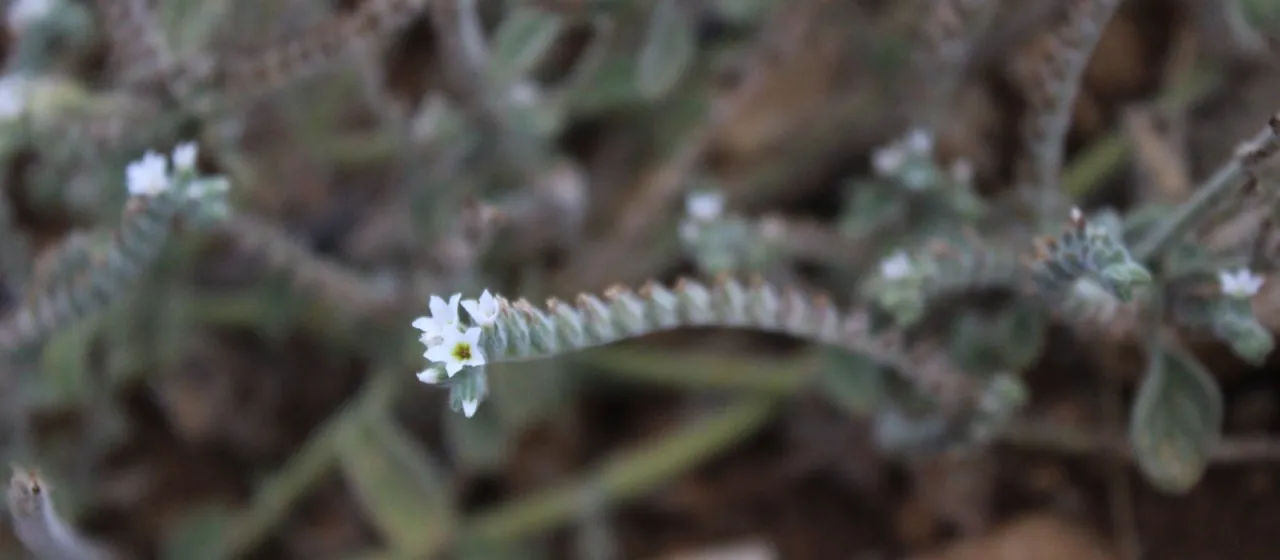
Botanically, the plant is distinguished by pubescent leaves that assist in reducing transpiration and protecting the plant from intense sun exposure. The flowers are arranged in characteristic scorpioid cymes, typical of the Heliotropium genus. Its root system is deep-reaching, designed to tap into underground moisture reserves, which is critical for its survival during long drought seasons.
Agronomic requirements for cultivating this species focus on providing exceptional drainage and full solar exposure. It is ill-suited for humid climates or rich, moisture-retentive soils, which often lead to fungal infections. Cultivation should mimic xerophytic conditions, utilizing light, well-draining substrates and avoiding excessive nitrogen fertilization, which can promote succulent but weak growth.
In terms of practical usage, this plant is primarily valued for xeriscaping and restoring degraded lands in arid zones. It serves as a genetic resource for breeding drought-hardy ornamental varieties. Typical pests include aphids and mites, while fungal root rot represents the most significant health risk if soil aeration is compromised or irrigation is too frequent.