
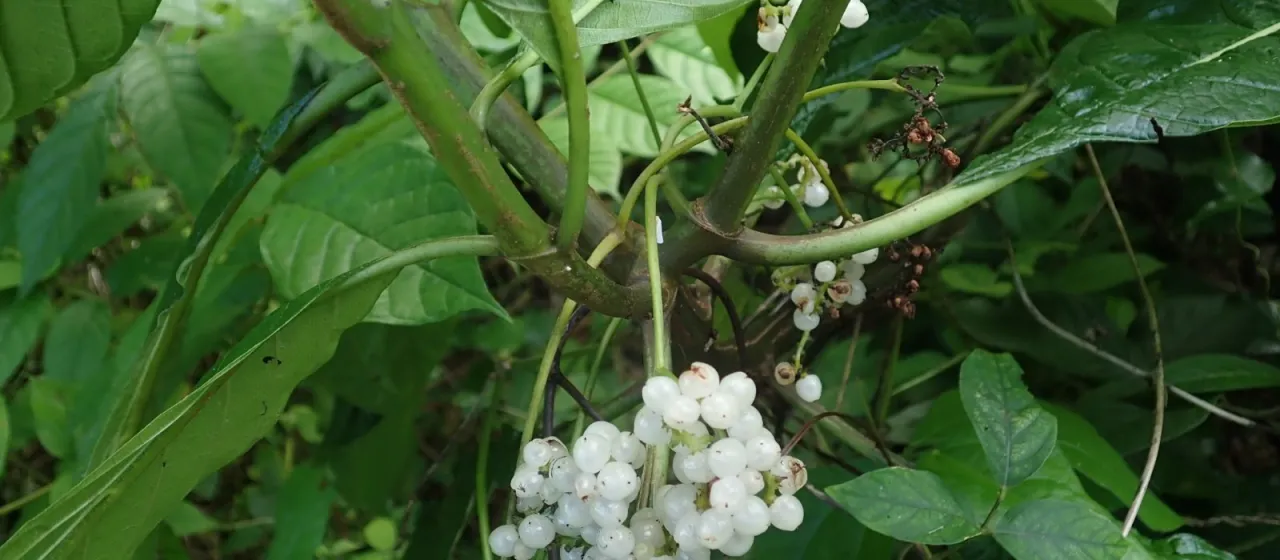
Description
Heliotropium filiflorum is a perennial herbaceous plant belonging to the Boraginaceae family. As a niche agricultural and botanical subject, it represents the diversity of the Heliotropium genus, characterized by unique morphological adaptations that distinguish it from common ornamental garden varieties.
The origin of this species is traced back to the arid and semi-arid regions of South America. Throughout its evolution, the plant has developed a high tolerance to high-temperature environments and low moisture availability, making it a subject of interest for breeding programs focused on drought-resistant flora and specialized botanic cultivation.
Botanically, the species is defined by its deep-reaching taproot and specialized pubescence on the foliage, which reduces evapotranspiration. The inflorescences are structured as scorpiod cymes (typical for the family), featuring distinct thread-like floral structures that give the plant its specific aesthetic and ecological appearance.
Cultivation requirements necessitate well-draining, sandy or loamy soils with a neutral pH level. Heliotropium filiflorum demands high solar exposure and is ill-suited for humid, shaded, or waterlogged environments. Proper soil aeration is critical to prevent root system suffocation, which is a major limiting factor for its successful growth in non-native climates.
Agronomic maintenance includes cautious irrigation management and consistent pest monitoring. The plant is susceptible to common Boraginaceae pests such as aphids and spider mites, particularly in greenhouse conditions. Disease management focuses primarily on preventing fungal infections such as powdery mildew, which can occur if canopy ventilation is insufficient.
- Requires full sun exposure.
- Prefers sandy, well-draining soil.
- Sensitive to overwatering.
- Susceptible to common sap-sucking pests.