
Description
Heliotropium procumbens is a herbaceous plant belonging to the Boraginaceae family. This species is recognized for its prostrate growth habit, which makes it an effective ground cover plant in various agricultural and horticultural settings. Its morphological structure allows it to spread rapidly across surfaces, effectively stabilizing the topsoil layer.
The plant originates from tropical and subtropical regions of the Americas. In its natural habitat, it thrives in environments characterized by high light intensity and moderate to high humidity levels. Agricultural cultivation of this species is most successful in regions where the climate mimics these tropical conditions, as the plant is not frost-tolerant and requires consistent warmth.
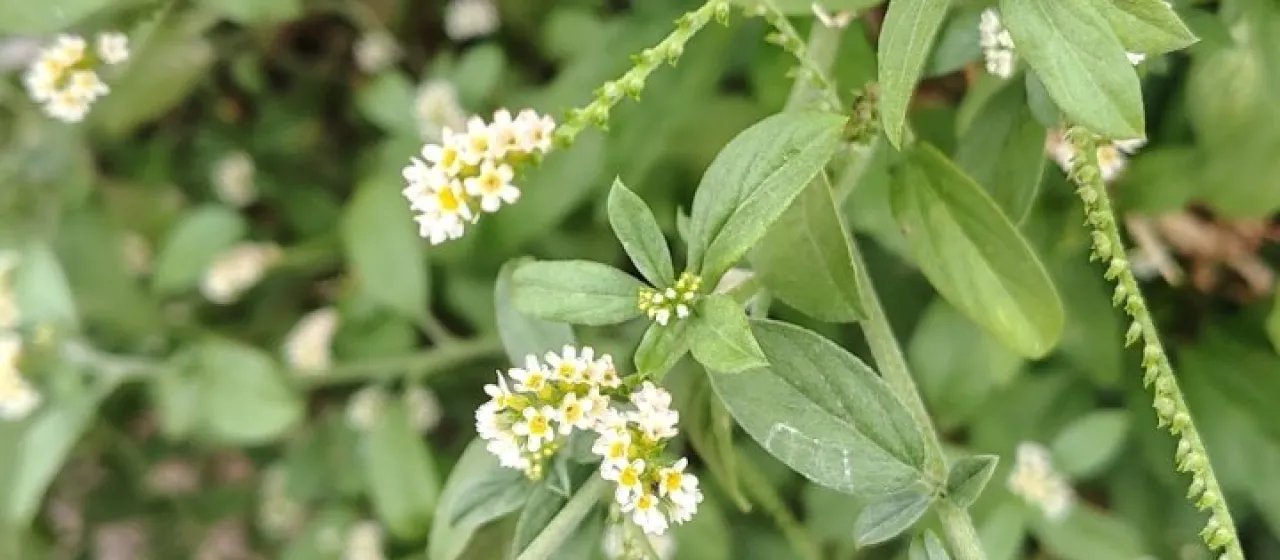
Botanically, the plant displays branching stems that creep along the ground, often rooting at the nodes. The leaves are typically lanceolate and have a slightly rough texture, common for the borage family. Small flowers are arranged in scorpioid cymes, which are typical for the genus, and they exhibit heliotropism, the movement of the plant towards the light source.
Regarding soil requirements, Heliotropium procumbens prefers fertile, well-drained loamy soils. The cultivation technique requires a delicate balance of moisture management; while the plant enjoys regular irrigation, waterlogging must be avoided to prevent root rot. Soil preparation usually involves adding organic matter to improve aeration and nutrient content.
The primary agricultural and economic use of this plant is centered on its utility as an ornamental ground cover and in landscape stabilization projects. Pests such as aphids and spider mites are common during the growing season, necessitating integrated pest management strategies. Diseases, primarily powdery mildew, can occur in stagnant air conditions, making proper spacing and ventilation crucial for healthy crop development.