
Description
The Transalpine heliotrope (Heliotropium transalpinum) is a herbaceous plant species belonging to the Boraginaceae family. While not a primary cereal or fodder crop, it holds a specific niche in ornamental horticulture and botanical research due to its unique physiological properties and the aesthetic appeal of its flowering patterns.
The plant originates from regions across Southern Europe and neighboring territories, where it has adapted to diverse soil conditions and climate variations. Its natural range demonstrates a strong preference for sunny, well-ventilated areas where it can thrive without the competition of taller, more aggressive herbaceous species.
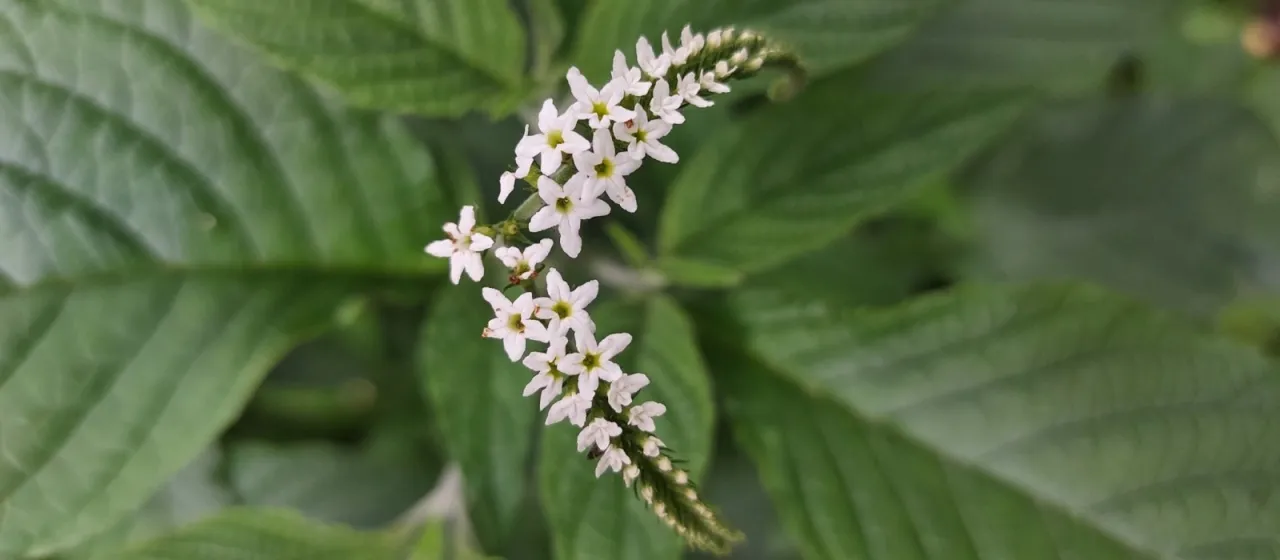
Botanically, Heliotropium transalpinum is distinguished by its hairy, lanceolate leaves and characteristic coiled cyme inflorescences. The term "heliotrope" refers to the plant's ability to orient its flowers towards the sun, a biological process that maximizes light absorption and enhances the plant's reproductive efficiency throughout the growing season.
Agricultural requirements for this species focus primarily on soil structure and moisture control. It requires well-drained, porous soil that prevents the accumulation of excess water around the root collar, which is a common cause of failure in cultivation. A neutral to slightly alkaline pH level is ideal for nutrient uptake and overall plant vigor.
In terms of management, typical pests include spider mites and aphids, which are particularly prevalent in dry conditions. Fungal diseases, such as powdery mildew, may occur if air circulation is poor or if the plants are overcrowded. Proper maintenance practices, including thinning and preventive treatments, are essential for maintaining the health of the cultivation plot.
- Selection of sites with full exposure to sunlight.
- Implementation of a rigorous drainage system.
- Controlled fertilization to support steady vegetative growth.
- Routine monitoring for common pests like aphids.