
Description
Heliotropium undulatifolium is a distinctive plant species belonging to the Boraginaceae family. As a specialized member of this genus, it has evolved unique morphological traits that allow it to thrive in harsh environments, making it a subject of interest for both botanical research and specialized landscaping practices.
The plant originates from arid and semi-arid regions, primarily distributed across Northern Africa and the Middle East. Its evolutionary history has equipped it with strong resistance to high solar irradiance and significant water scarcity, allowing the species to maintain its physiological functions where other crops would fail.
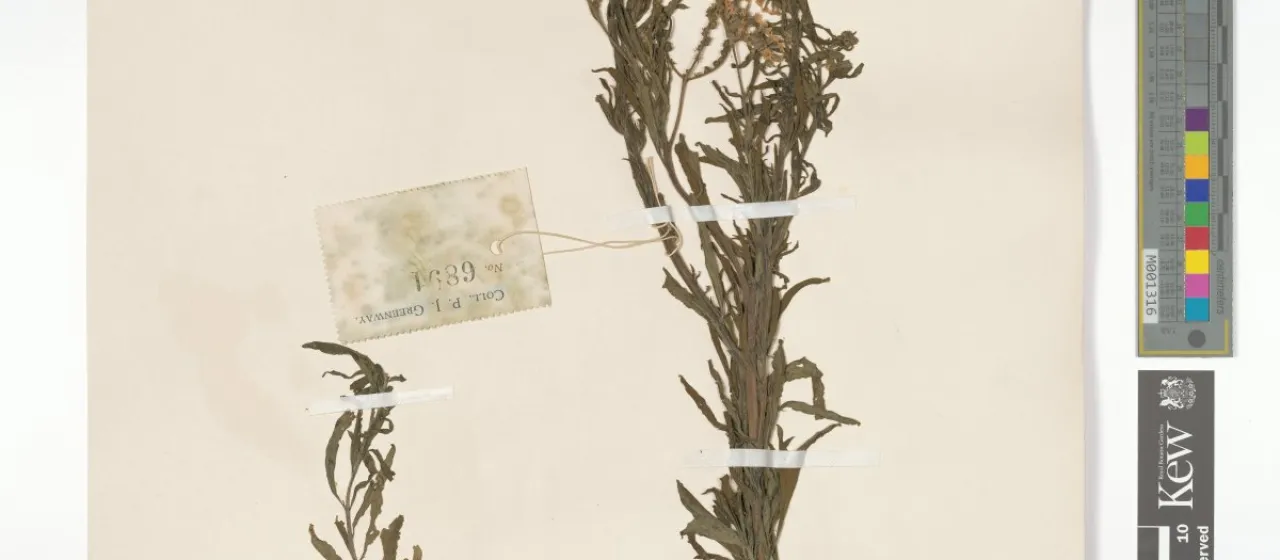
Botanically, the species is characterized by its undulate (wavy) leaves, which provide a larger surface area for gas exchange while minimizing water loss through specific structural adaptations. The inflorescences appear as typical coiled cymes, and the plant exhibits strong heliotropic movement, orienting its flowers towards the sun throughout the daylight hours.
Cultivation requirements demand well-draining, sandy or rocky soils, as the species is highly susceptible to root rot in waterlogged conditions. It requires full sun exposure to flourish and maintain its structural integrity. Fertilization should be kept to a minimum, as the plant is adapted to nutrient-poor substrates, and excessive nitrogen can lead to weak, elongated growth.
The primary horticultural application for this species is in xeriscaping, where its drought tolerance makes it an excellent choice for low-maintenance landscapes. Regarding plant health, it is important to monitor for aphids and spider mites, which can infest the foliage in stagnant air conditions. Proper spacing and airflow are crucial for preventing fungal issues in the nursery or garden environment.