
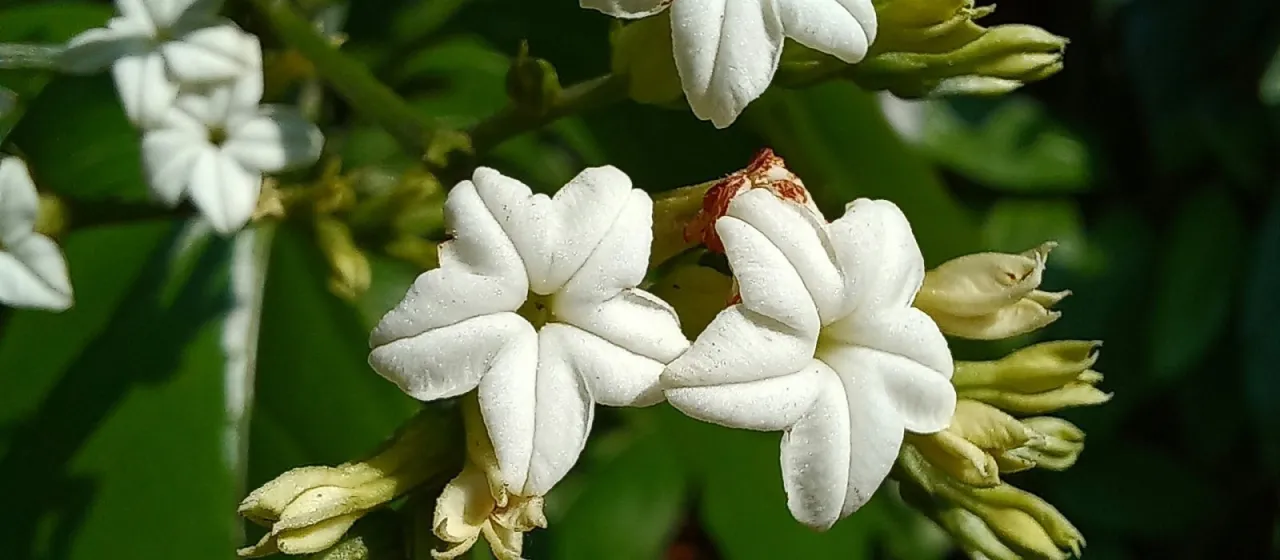
Description
Heliotropium verdcourtii is a perennial herbaceous plant belonging to the Boraginaceae family. Within the agricultural and botanical context, this species is recognized for its unique adaptation to stressful environmental conditions, distinguishing it from more common ornamental varieties of the Heliotropium genus.
The plant originates from the arid and semi-arid regions of East Africa. Its natural distribution is linked to habitats characterized by rocky soil compositions and prolonged periods of drought. Due to its evolutionary background, the crop has developed efficient strategies for water retention and nutrient uptake in challenging environments.
Botanically, Heliotropium verdcourtii exhibits a shrub-like growth habit with pubescent foliage, which serves as a physiological mechanism to reduce transpiration. The inflorescences appear as terminal cymes, a diagnostic feature of the Boraginaceae family. The root architecture is typically deep and robust, allowing the plant to reach subterranean water sources.
Cultivation requirements focus on mimicking its natural habitat. It thrives in well-drained, porous soils with moderate to high sun exposure. Overwatering is the most significant risk in management, as excessive soil moisture leads to hypoxia in the root system and encourages the development of soil-borne pathogens. Fertilization should be kept at low levels to prevent excessive vegetative growth at the expense of stability.
- Tolerance for high solar radiation
- High water-use efficiency
- Requirement for porous, aerated growth media
- Sensitivity to fungal infections in humid conditions
In terms of practical usage, this species is primarily utilized in specialized horticulture and research focused on xerophytic plants. Regarding crop protection, pests such as aphids and spider mites remain the primary challenge, particularly in greenhouse settings. Effective management relies on strict sanitation protocols and the maintenance of optimal environmental parameters to prevent pest outbreaks.