
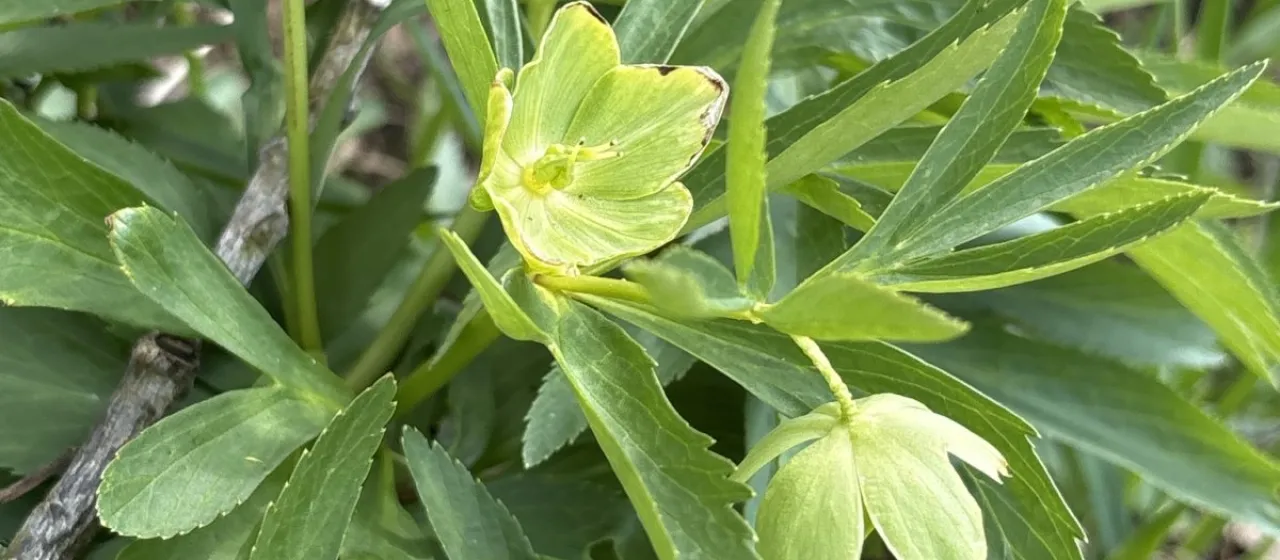
Description
Helleborus dumetorum is a fascinating perennial herb belonging to the Ranunculaceae family. Known for its modest size and elegant, nodding flowers, this species is a staple for shade gardens and woodland landscapes. It is a slow-growing plant that creates a refined aesthetic, blooming remarkably early in the gardening calendar.
The origin of this species is traced to Central and Southeastern Europe, where it naturally inhabits deciduous forests and thickets. By mimicking these natural forest floor conditions, gardeners can ensure the plant thrives in their own spaces. It prefers areas with dappled sunlight, which is vital for maintaining its health throughout the growing season.
Botanically, the plant displays basal, palmately divided leaves that often persist throughout the winter. The flowers are typically greenish-yellow, displaying a subtle beauty that stands out in the early spring. Unlike many other perennials, its foliage remains attractive for most of the year, providing a consistent texture in the garden beds.
When it comes to agricultural requirements, Helleborus dumetorum demands well-drained, humus-rich, and slightly alkaline soils. Proper drainage is the most critical factor, as stagnant water will inevitably lead to root rot. Regular maintenance includes the removal of old, damaged foliage before the new blooms emerge to prevent the spread of fungal spores.
In terms of economic and practical utility, the plant is primarily used for ornamental purposes in shaded landscapes. As with many members of the Ranunculaceae family, all parts of the plant contain toxic compounds, so it should be handled with care. Typical pests include aphids and leaf-eating insects, while leaf spot is the most common disease encountered in humid climates.
- Requires consistent moisture, especially during early spring.
- Can be propagated by careful division in late autumn.
- Benefits from a mulch of organic matter applied in winter.