
Description
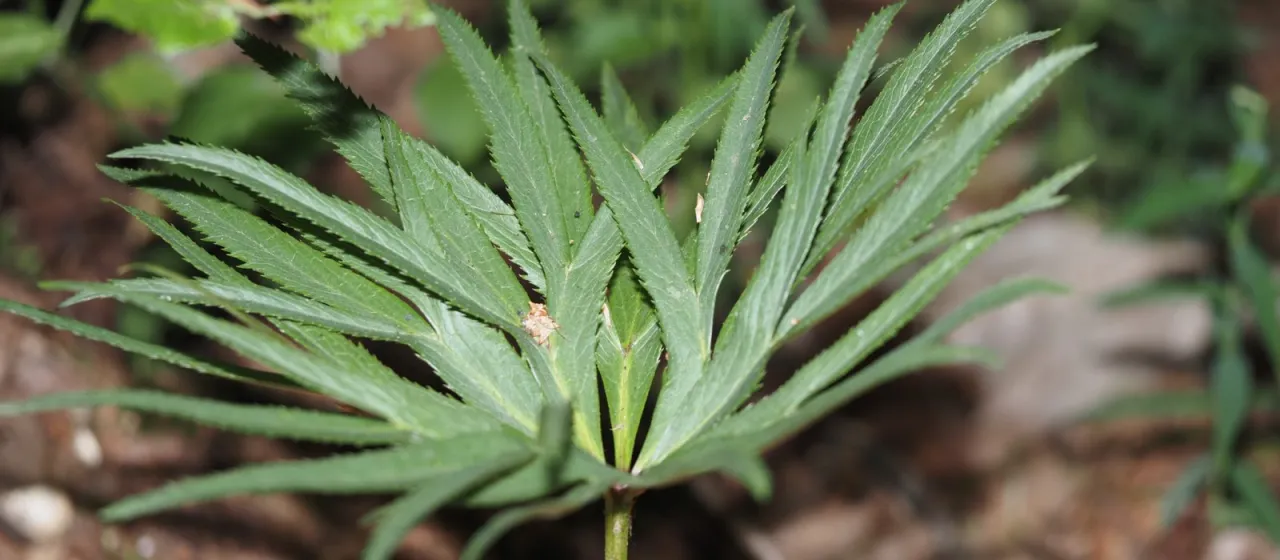
The cut-leaved hellebore (Helleborus multifidus) is a perennial herbaceous plant belonging to the Ranunculaceae family. Native to the Balkan Peninsula, this species is highly regarded for its distinctive, finely divided, almost feathery foliage and its early spring bloom. It naturally thrives in mountainous woodland habitats, which dictates its preference for shaded environments.
Botanically, Helleborus multifidus is distinguished by its basal leaves that are deeply segmented, providing a unique texture compared to other hellebore species. The flowers, typically appearing in late winter or early spring, range in color from pale green to shades of purple. These flowers are robust and can withstand late frosts, making them a reliable choice for cold-climate gardeners.
Successful cultivation requires a location with dappled shade, protecting the plant from the harsh midday sun. The soil must be well-draining, rich in organic matter, and preferably alkaline to neutral. Proper drainage is critical, as stagnant water can lead to rhizome rot, which is the most significant physiological risk to the plant's survival in a garden setting.
Agrotechnical maintenance focuses on providing adequate moisture during the growing season and applying a layer of organic mulch to keep the roots cool. While the plants are hardy, they benefit from an annual top-dressing of compost to replenish soil nutrients. Maintenance is generally low, though the removal of dead or damaged foliage in late winter is recommended to promote new growth.
The primary use of the cut-leaved hellebore is in ornamental horticulture. It is an excellent choice for woodland gardens, shady borders, and rock gardens where its fine foliage can stand out against larger-leaved species. Due to its early flowering period, it provides essential early-season interest in landscapes where other perennials are still dormant.
Common pests and diseases include aphids, which may cluster on new buds, and slugs that can graze on the foliage. Fungal issues like leaf spot can occur if airflow is poor and humidity levels remain consistently high. As a toxic plant, all handling should be done with gloves to prevent skin irritation, and it should be kept away from areas where pets or children may ingest it.