
Description
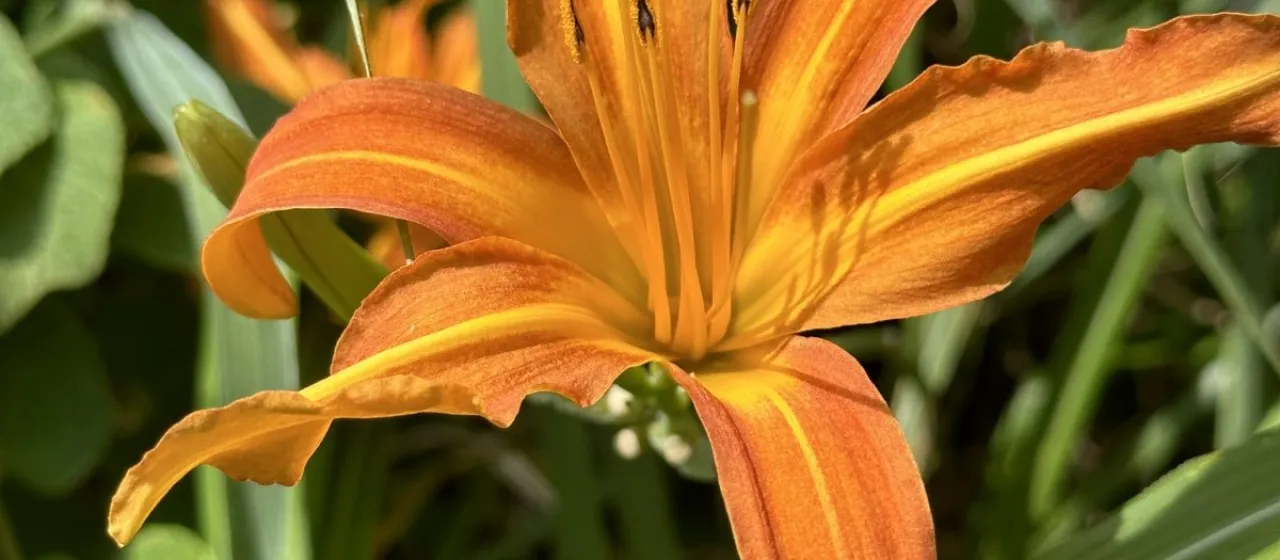
Coastal daylily (Hemerocallis littorea) is a perennial herbaceous plant belonging to the Xanthorrhoeaceae family. This specific species is highly valued in horticulture for its remarkable ability to thrive in coastal environments, making it a robust choice for specialized landscaping projects.
Originating from the coastal regions of East Asia, particularly Japan, the species is naturally adapted to sandy or rocky soils near the sea. Its evolutionary background has endowed it with tolerance to salt spray and fluctuating moisture levels, which are critical factors for its successful integration into gardens located near coastal zones.
Botanically, it features a tufted growth habit with long, strap-shaped leaves and tall, sturdy scapes that produce large, elegant flowers. The plant exhibits a strong root system, which not only secures the plant in its habitat but also provides it with resilience against harsh weather conditions during the growing season.
Cultivation requirements involve providing the plant with full sun exposure and well-draining soil conditions to prevent root issues. While it is tolerant of poor, sandy soils, enrichment with organic matter during the planting stage significantly enhances flowering performance and foliage density throughout the summer months.
Regarding its utility, the coastal daylily is used primarily as an ornamental plant and a soil stabilizer on slopes. Common pests include aphids and lily gall midges, while root rot remains the primary concern in overly waterlogged soils. Consistent monitoring and proper drainage management are the keys to maintaining a healthy, vibrant collection of these plants.