
Description
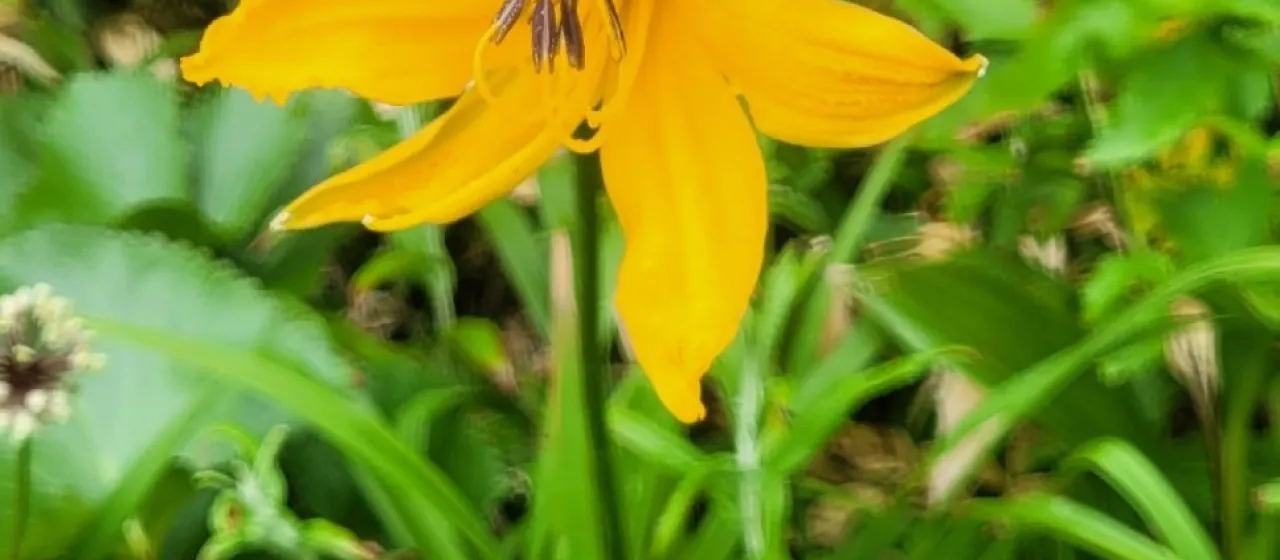
Middendorff's daylily (Hemerocallis middendorffii) is a perennial herbaceous plant belonging to the Asphodelaceae (formerly Xanthorrhoeaceae) family. It is highly regarded for its early blooming season and striking, fragrant trumpet-shaped flowers that appear in shades of vivid yellow.
The native range of this species extends across the Russian Far East, Japan, Korea, and parts of China. It typically inhabits moist meadows and the edges of forest clearings, which defines its preference for moderately fertile, well-draining soils in garden settings. Its resilience allows it to thrive in various temperate climates.
Botanically, it is characterized by a compact cluster of arching, linear leaves and a robust root system consisting of fleshy, tuberous roots. These roots allow the plant to store significant reserves of nutrients, contributing to its notable hardiness and ability to recover quickly after the winter dormancy period.
For successful cultivation, growers should ensure a location with full sun to partial shade. While the species is quite drought-tolerant once established, providing consistent soil moisture during the spring growth phase significantly enhances flower production. Soils should be rich in organic matter to support healthy leaf development and root proliferation.
Beyond its ornamental appeal in landscaping, Middendorff's daylily is also utilized in culinary practices, particularly in East Asian cuisines, where the buds and young shoots are harvested for food. To maintain plant health, it is essential to monitor for common pests such as aphids and daylily gall midge, as well as ensure proper drainage to prevent fungal infections like crown rot.