
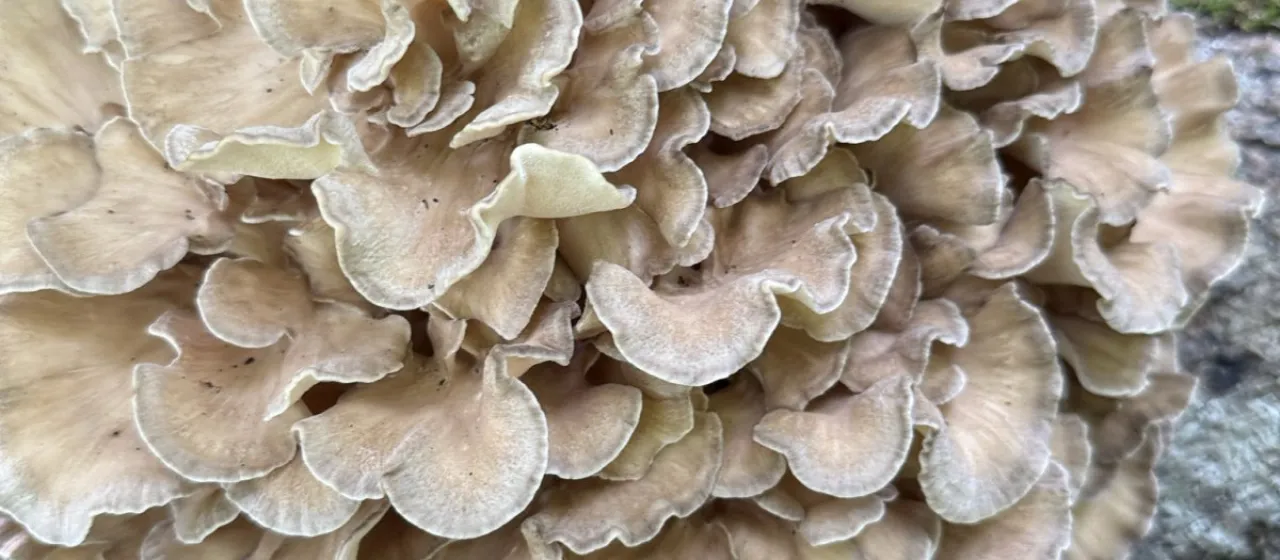
Description
Hen of the Woods, scientifically known as Grifola frondosa, is a medicinal and culinary mushroom belonging to the Fomitopsidaceae family. This species is widely recognized for its impressive cluster structure, which can reach significant dimensions, often weighing several kilograms when grown in optimal conditions.
The native habitat of this species is predominantly found in temperate forests across North America, Europe, and East Asia. It typically acts as a white-rot pathogen, colonizing the base of hardwoods such as oaks, beeches, and maples, where it plays a critical role in the natural decomposition of forest debris.
Botanically, the fungus forms large, multi-capped fruit bodies with a branching structure that stems from a single base. The caps are typically fan-shaped and greyish-brown, while the undersurface contains minute pores rather than gills. This unique morphology makes it distinct among forest fungi and highly productive during the cultivation cycle.
Commercial agronomy of this mushroom requires specialized substrate management, usually involving hardwood sawdust supplemented with rice bran or wheat flour. The growing process is highly sensitive to environmental parameters: temperature should be strictly maintained between 20°C and 25°C, with relative humidity levels kept near 90% throughout the colonization phase to ensure healthy development.
The economic importance of Hen of the Woods centers on its therapeutic profile and gourmet culinary value. It is cultivated commercially for its potent immunomodulatory polysaccharides and unique savory flavor. Producers must remain vigilant against common pests such as fungus gnats and mold contaminants, which can jeopardize yield quality if standard sanitation protocols are not meticulously followed.