
Description
Transylvanian liverleaf (Hepatica transsilvanica) is a herbaceous perennial plant belonging to the Ranunculaceae family. It is highly esteemed in horticulture for its early spring blooming period and its ability to thrive in shaded environments where other flowering plants often struggle to establish themselves.
Native to the mountains of Romania, specifically the Transylvanian region, this plant naturally occurs in deciduous forests and rocky, north-facing slopes. This natural background dictates its preference for cool, humid conditions and humus-rich, well-draining soil typical of a woodland setting.
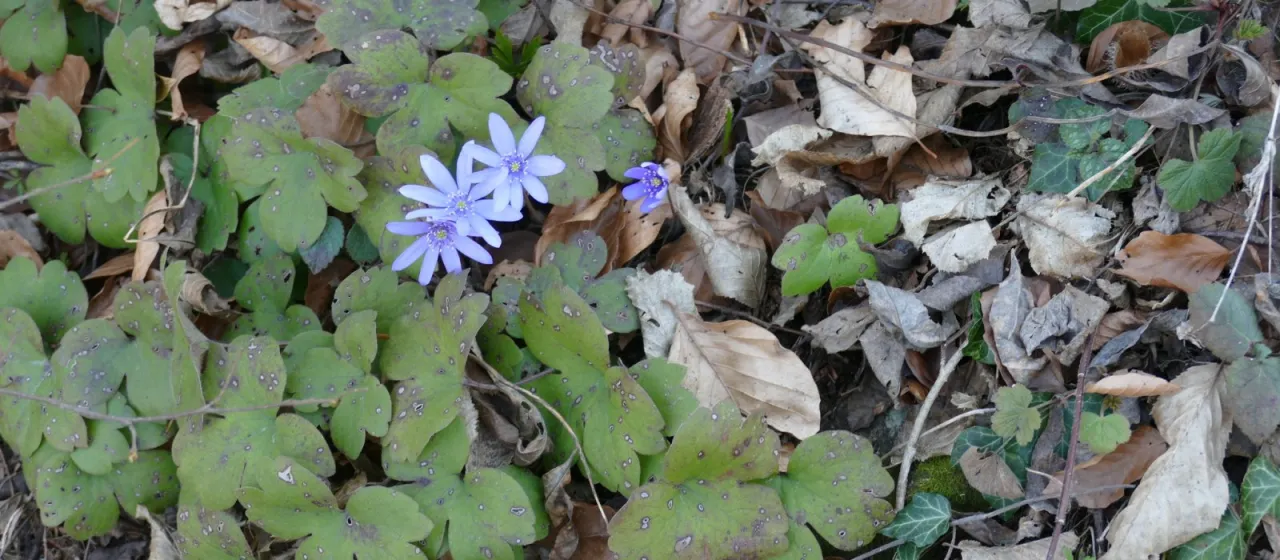
From a botanical perspective, the plant features distinctive three-lobed, leathery leaves that often persist throughout the winter. Its root system consists of a thick, creeping rhizome that supports a slow but steady expansion of the clump. The flowers, appearing in early spring, range from soft blue to deep violet, creating a significant visual impact.
In terms of cultivation, Hepatica transsilvanica requires careful site selection. A location with dappled shade is ideal, as direct, harsh sunlight can scorch the foliage. The soil should be neutral to slightly alkaline, enriched with leaf mold, and possess excellent drainage to prevent crown rot during the dormant season.
Management of the plant involves regular monitoring to prevent common issues. While the plant is generally hardy, it can be susceptible to fungal diseases such as leaf spot if the area lacks proper airflow. Additionally, gardeners must guard against mollusks, such as slugs and snails, which are attracted to the young, emerging foliage during the spring thaw.