
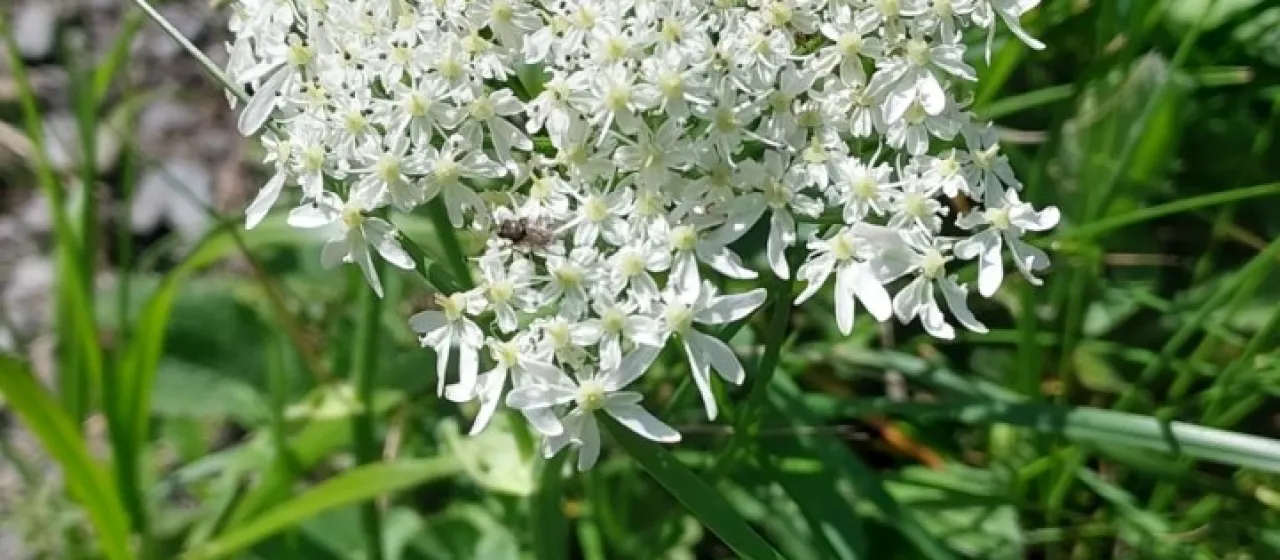
Description
Carpathian hogweed (Heracleum carpaticum) is a perennial herbaceous plant belonging to the Apiaceae family. Unlike its invasive relatives, this species is a specialized alpine plant that serves as an important component of mountain ecosystems and has potential for niche agricultural applications.
The native distribution of the plant is centered in the Carpathian Mountains. It is naturally adapted to subalpine and alpine climate zones, where it thrives in conditions characterized by cool temperatures, high humidity, and short growing seasons typical of high-altitude regions.
Botanically, the species is defined by its robust structure, deep taproot system, and characteristic pinnate leaves. It is highly resistant to frost and cold-stress, exhibiting rapid biomass accumulation during the short high-mountain summer, which allows it to remain competitive in alpine vegetation zones.
Agronomic management requires specific soil conditions, favoring well-drained, nutrient-rich loamy soils with a near-neutral pH. The crop thrives when moisture is abundant during the spring, and it requires strategic fertilization to maintain high yields of green matter in areas with low average annual temperatures.
In agricultural practice, the crop is primarily utilized as a source of forage. Its nutritional profile makes it a valuable component in livestock feeding programs in high-altitude regions. Additionally, ongoing research explores its potential for producing high-quality organic fertilizers and its role in sustainable mountain land management.
- Cold climate adaptability
- Extensive root system
- High nutrient density
- Suitability for mountain terrains