
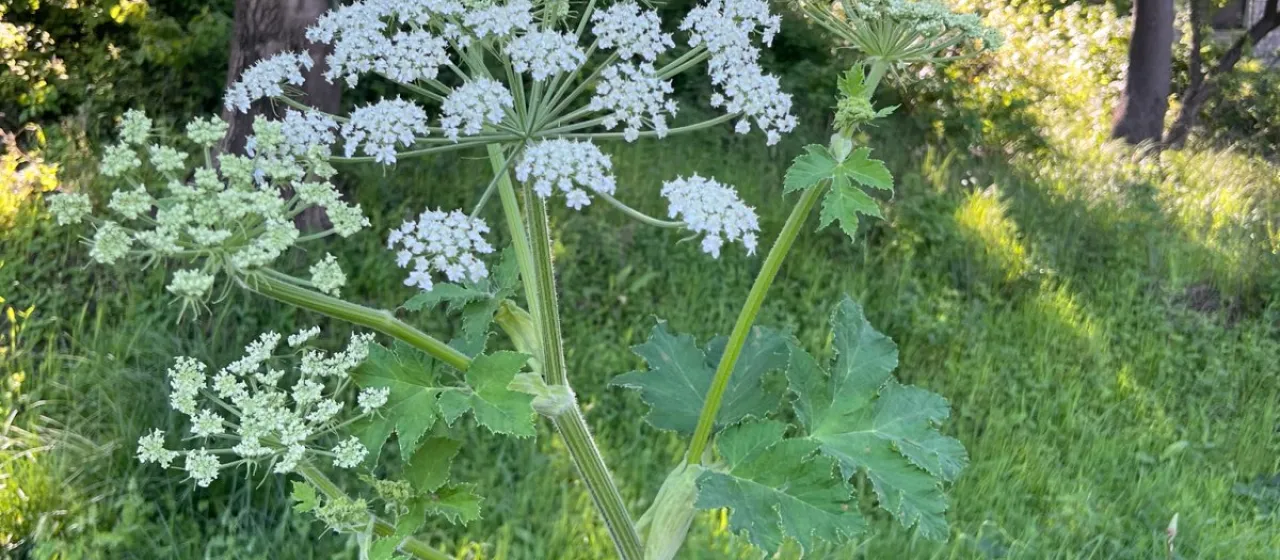
Description
Sweet cow parsnip (Heracleum dulce) is a perennial herbaceous plant belonging to the Apiaceae family. It has historically been recognized in agricultural science as a high-yielding crop, capable of producing significant amounts of green forage. Unlike some of its wild relatives, this species is cultivated specifically for its nutritional value in animal husbandry programs.
The plant originates from East Asia, particularly regions characterized by cooler climates and rich soils. Its range of cultivation has been explored in various temperate zones where farmers seek reliable, cold-tolerant crops that can thrive in environments where traditional fodder grasses might underperform. The adaptation of this species to various soil types makes it a versatile candidate for forage rotation.
Botanically, Heracleum dulce is distinguished by its robust structure, featuring large, pinnately lobed leaves and a stout stem. The plant develops a deep, strong taproot that allows it to access nutrients and water from deeper soil horizons. During its growth cycle, it produces massive amounts of biomass that are harvested before the flowering stage to ensure the highest concentration of sugars and proteins.
Agricultural requirements focus on maintaining high soil fertility and optimal moisture levels. It thrives in deep, well-drained loamy soils and requires consistent irrigation during peak growing months to maximize leaf production. Proper agronomic management includes spacing strategies to prevent competition and ensure that the plants reach their full potential without the need for excessive chemical inputs.
Regarding health and protection, the crop is susceptible to certain pests typical of the Apiaceae family, such as aphids and specialized coleoptera. Common diseases include leaf spot and fungal infections that can occur during high-humidity periods.
- Regular field monitoring for early pest detection.
- Implementation of crop rotation cycles.
- Strategic timing of harvesting to prevent seed maturation.