
Description
Cow parsnip, scientifically classified as Heracleum lanatum, is a prominent member of the Apiaceae family. Unlike some invasive relatives, this species is a native perennial recognized for its ecological value and historical importance in traditional food and medicine systems across its indigenous range.
The plant is native to North America, flourishing in moist habitats such as stream banks, meadows, and forest clearings. Its extensive range, stretching from Alaska to the southern regions of the continent, demonstrates a remarkable resilience to diverse environmental conditions, including harsh winters and fluctuating moisture levels.
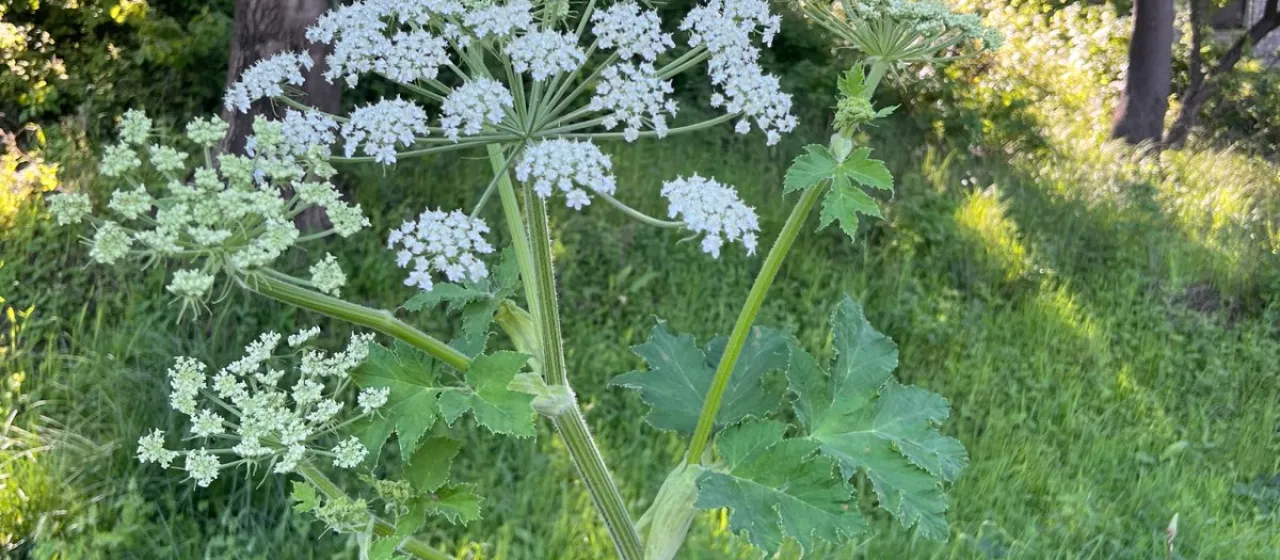
Botanically, Cow parsnip is characterized by its large, robust stems that can grow up to two meters tall. The leaves are distinctively broad, ternately compound, and covered in fine, woolly hairs on the underside, providing a soft texture. The inflorescence consists of large, flat-topped compound umbels containing numerous small white flowers that serve as an excellent nectar source.
From an agronomic perspective, this crop requires deep, moist, and nutrient-rich soils to reach its full potential. Successful cultivation depends on maintaining consistent soil moisture and providing partial shade, as excessive heat and direct sunlight can inhibit vegetative development. Proper agricultural management involves organic soil enrichment to support its heavy nutrient requirements.
The хозяйственное (economic) utility of Heracleum lanatum is significant. Historically, young shoots and stalks were harvested as a wild vegetable, often compared to celery or asparagus. Today, it is studied for its potential as a high-protein forage crop and its role in biodiversity conservation, as it supports numerous insect populations during its flowering stage.
- Highly adaptive to temperate and sub-arctic climates
- Excellent nectar source for pollinators
- Fast biomass accumulation in optimal conditions
- Soil stabilization through robust root systems