
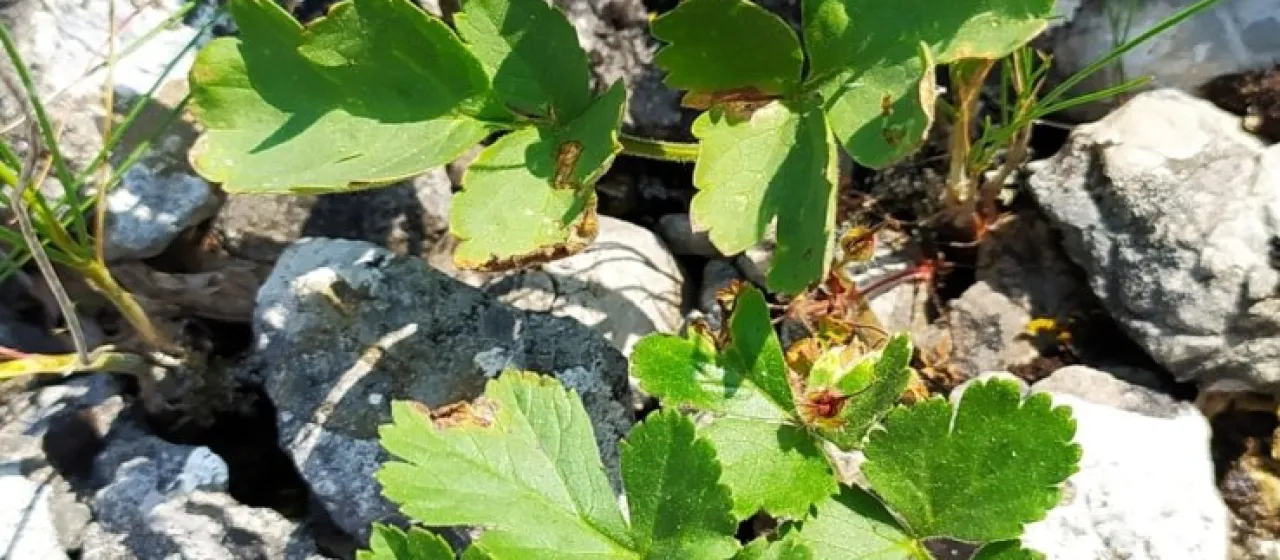
Description
The Ligusticum-leaved cowparsnip (Heracleum ligusticifolium) is a perennial herbaceous plant belonging to the Apiaceae family. Unlike its more invasive relatives, this species possesses distinct morphological features and specialized growth requirements that make it a subject of interest in both botanical research and niche agricultural production.
Native to Southern Europe and the Mediterranean, this species thrives in climates characterized by temperate winters and warm summers. Its natural distribution is linked to regions with well-drained soils and sufficient sunlight. As an agricultural crop, it is cultivated primarily in controlled environments to ensure yield stability and quality of the raw material harvested for scientific use.
Botanically, the plant features a robust growth pattern with deeply divided leaves that resemble the foliage of Lovage, which inspired its scientific species name. It develops large, compound umbels composed of numerous small white flowers. The plant's architecture is designed to optimize light capture, which is essential for its development throughout the growing season.
Regarding cultivation, the species requires fertile, well-structured loam soils with a neutral pH. Agricultural management practices include deep soil preparation before sowing, controlled planting density to prevent overcrowding, and consistent weed management during the vegetative phase. Propagation is usually achieved through seeds, which require specific temperature conditions for optimal germination rates.
The primary utility of the plant lies within the pharmaceutical industry, where its extracts are studied for potential medicinal properties, specifically regarding essential oils and coumarin compounds. Some studies explore its potential in specialized fodder applications; however, these remain in the experimental stage, requiring rigorous testing to ensure safety and nutritional value for livestock.
- Common diseases include powdery mildew and septoria leaf spot, which are typical for Apiaceae.
- Primary pests include umbelliferous moths and various species of aphids that target succulent parts.
- Effective management relies on a combination of cultural practices and targeted integrated pest management strategies.