
Description
Heracleum maximum, commonly known as cow parsnip, is a robust herbaceous perennial belonging to the Apiaceae family. Unlike its invasive counterparts, this specific species is recognized in agricultural contexts for its value as a nutritious forage plant, capable of providing significant biomass for livestock production.
The plant is native to North America, spanning a wide range of habitats across the continent. It thrives in temperate environments, often colonizing meadows, moist slopes, and riparian zones. Its broad geographic distribution demonstrates a high degree of ecological plasticity, making it a viable candidate for cultivation in varied climatic zones where moisture is reliable.
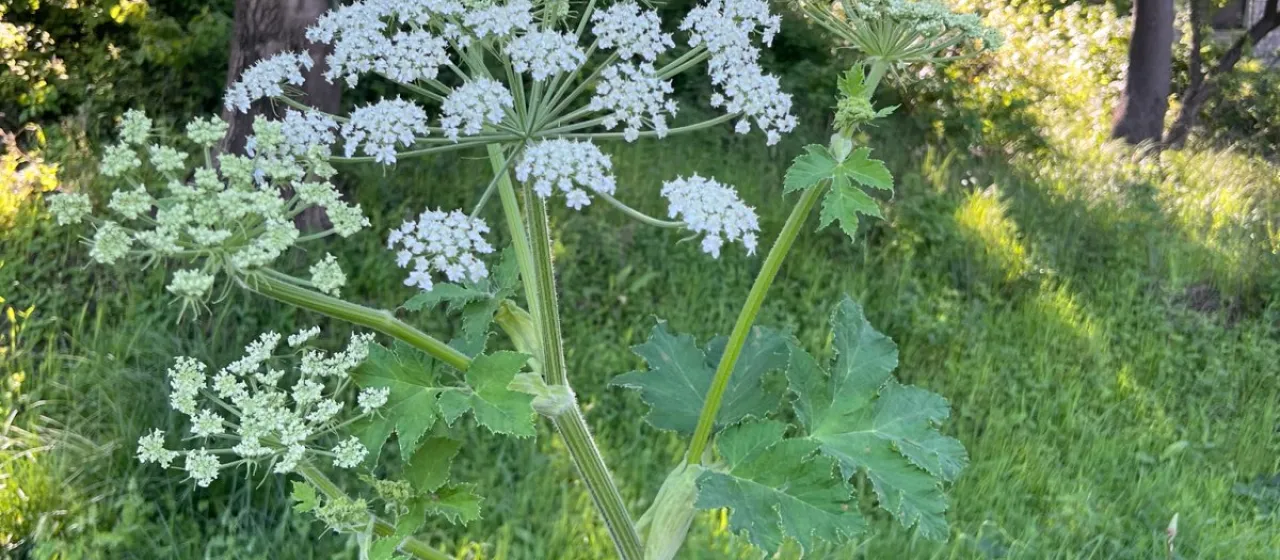
Botanically, the plant is characterized by a thick, hollow, and furrowed stem that can grow to impressive heights. The foliage consists of large, palmately lobed leaves with a distinct texture and hairy undersides. Its reproductive phase is marked by large, flat-topped compound umbels containing numerous white flowers, which are highly effective at producing viable seeds for propagation.
Successful cultivation of this crop requires fertile, deep, and well-drained soils with consistent moisture levels. Agronomic management involves site preparation that ensures weed control during the establishment phase, as the young seedlings can be slow to develop. Irrigation is often necessary during the growing season to maximize the yield of green forage, especially in areas with periodic summer droughts.
In terms of economic utility, Heracleum maximum is utilized primarily as silage or haylage for cattle. It is valued for its digestibility and protein content. Common challenges for growers include managing fungal diseases like powdery mildew, particularly in dense stands, and controlling insect pests such as aphids or stem-boring larvae, which can impact overall forage quality and plant vigor.