
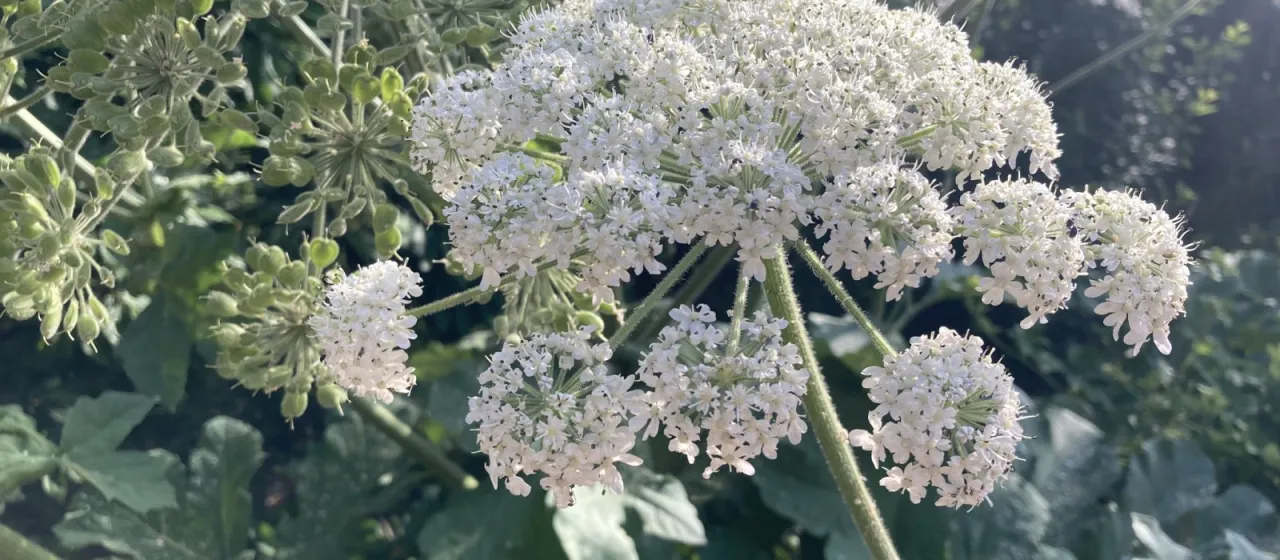
Description
Heracleum platytaenium is a perennial herbaceous plant belonging to the Apiaceae (Umbellifers) family. This species is distinguished by its specific biological traits and is a subject of interest in taxonomic and agricultural studies focusing on the diversity of the genus Heracleum.
The plant is native to regions within Asia Minor, where it has historically adapted to specific ecological niches. It is primarily found in mountainous and forested regions that offer moderate temperatures and consistent moisture levels throughout the growing season, which are critical for its development.
Botanically, Heracleum platytaenium features a robust root system and a sturdy, hollow stem topped with large compound umbels. The leaves are characteristically broad, serving as an efficient apparatus for photosynthesis in its natural habitat. During the flowering stage, the plant produces numerous small flowers that are essential for seed production and population maintenance.
Cultivation of this crop requires attention to soil composition, as it prefers well-drained, nutrient-rich loamy soils. Agricultural management practices should focus on maintaining adequate spacing to prevent disease spread, regular weed control in the early growth phases, and supplemental irrigation during prolonged dry spells to ensure optimal biomass production.
Regarding its economic utility, Heracleum platytaenium is studied for its potential in pharmaceutical research and as a specialized crop for biomass. Typical pests and diseases include those commonly affecting the Apiaceae family, such as aphids and fungal pathogens related to soil moisture levels. Strict safety protocols are advised during handling due to the presence of phototoxic compounds found in many plants of this genus.
- Needs well-drained, fertile soil conditions.
- Requires consistent monitoring for common umbellifer pests.
- Potential source for phytochemical research and botanical development.