
Description
Hermannia betonicifolia is a perennial shrub belonging to the Malvaceae family, notable for its resilience and unique aesthetic appeal. This species is often studied by botanists for its specialized adaptations to arid environments, making it a subject of interest in xeriscaping and sustainable horticulture.
Originating from Southern Africa, the plant thrives in rocky outcrops and dry habitats. Its natural range is characterized by highly seasonal rainfall, which has dictated the plant’s evolutionary focus on water retention and efficient gas exchange, allowing it to survive in conditions where many other crops would perish.
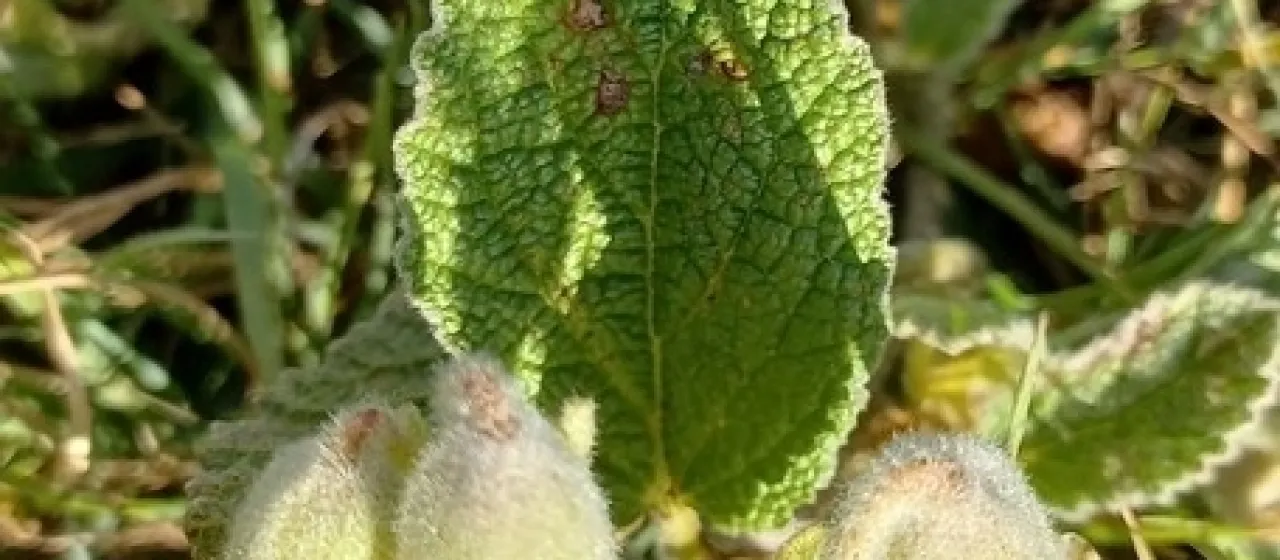
Botanically, the plant is distinguished by its betony-like, textured leaves and iconic pendulous, bell-shaped flowers. The coloration of the petals often shifts during the blooming season, providing a dynamic look in the garden. Its root system is deep and expansive, designed to seek out moisture in poor, sandy soil structures.
Regarding cultivation, successful growth depends on providing excellent drainage. The soil must be gritty and mineral-rich rather than high in organic matter. Overwatering is the most common mistake in managing this crop; keeping the substrate slightly dry is essential to prevent root diseases and ensure long-term health.
- Requires full sun exposure for optimal blooming.
- Prefers neutral to slightly acidic soil pH.
- Minimal fertilization requirements.
- Susceptible to aphids under poor ventilation.
In terms of хозяйственного (economic) use, Hermannia betonicifolia is primarily cultivated as an ornamental specimen in Mediterranean or arid-zone landscapes. While not currently a mainstream agricultural crop, its potential for water-wise landscaping makes it an invaluable asset for regions facing increasing water scarcity.