
Description
Hermannia depressa is a perennial herbaceous plant belonging to the Malvaceae family. Recognized for its prostrate growth habit, this species acts as an effective groundcover, naturally forming dense mats that can stabilize soil surfaces. While not a traditional food crop, it serves critical roles in sustainable land management, horticulture, and the maintenance of ecosystem health in arid climates.
The native range of Hermannia depressa is centered in the southern regions of Africa, where it thrives in open plains and dry grasslands. Its evolutionary history in these habitats has endowed the plant with significant drought tolerance and the ability to flourish in nutrient-poor soils. These traits make it a subject of interest for projects aimed at restoring biodiversity in degraded semi-arid landscapes.
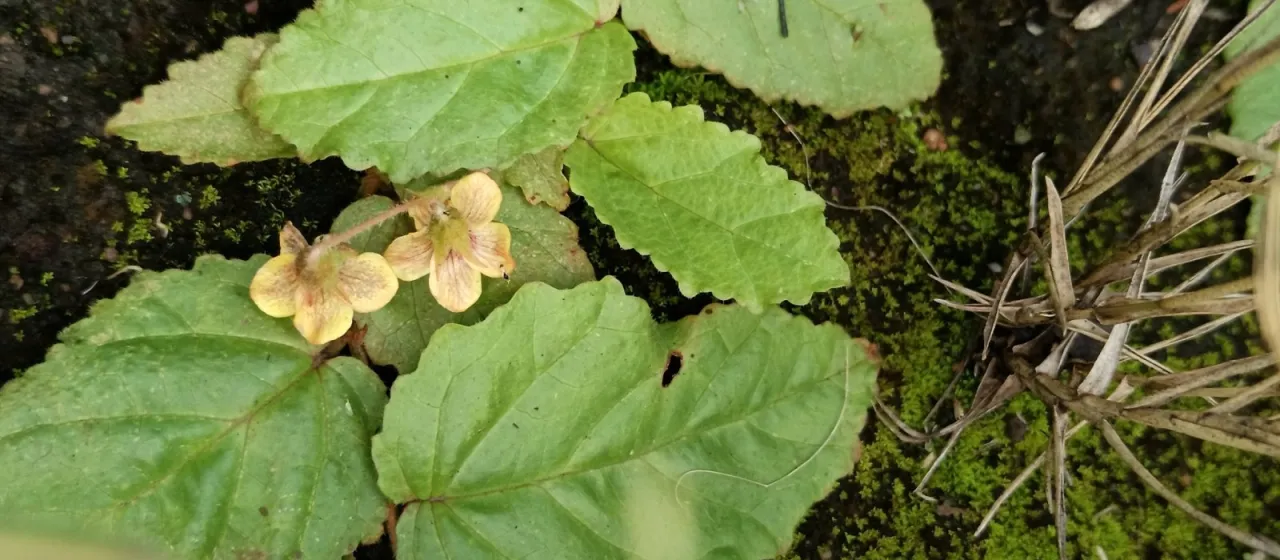
Botanically, the species is characterized by its low profile and deep-reaching taproot, which allows it to tap into moisture reserves inaccessible to shallower plants. The foliage often features fine hairs, a protective adaptation to minimize water loss via transpiration. The flowers typically display delicate bell-shaped structures and colors ranging from pale yellow to deep orange, which contribute to the plant's aesthetic value.
Agricultural requirements for Hermannia depressa focus on replicating its natural environment. It demands well-drained, porous soils and high light exposure. Growers should avoid waterlogged conditions, which are detrimental to the plant's root health. Maintenance practices include minimal irrigation and occasional soil aeration, which prevents the compaction that the plant usually avoids in its native wilderness.
In terms of usage, the plant is primarily cultivated for landscaping as a xeriscaping component, providing an alternative to water-intensive lawn grasses. It is also valued for erosion control on slopes. Potential phytosanitary challenges include root rot if overwatered and infestations by common pests like spider mites or aphids. Effective management involves integrated pest control strategies focusing on maintaining soil balance and plant vigor.