
Description
Hermannia tigreensis is a perennial shrub belonging to the Malvaceae family. This species is highly valued in botanical research and specific agricultural applications for its remarkable ability to withstand arid conditions. It serves as an example of plant resilience in environments where water availability is minimal.
The plant originates from East Africa, with a primary distribution range extending across the highlands of Ethiopia. It has evolved in environments characterized by long dry spells and poor, stony soils. These evolutionary adaptations make it a candidate for research into sustainable agriculture in semi-arid regions.
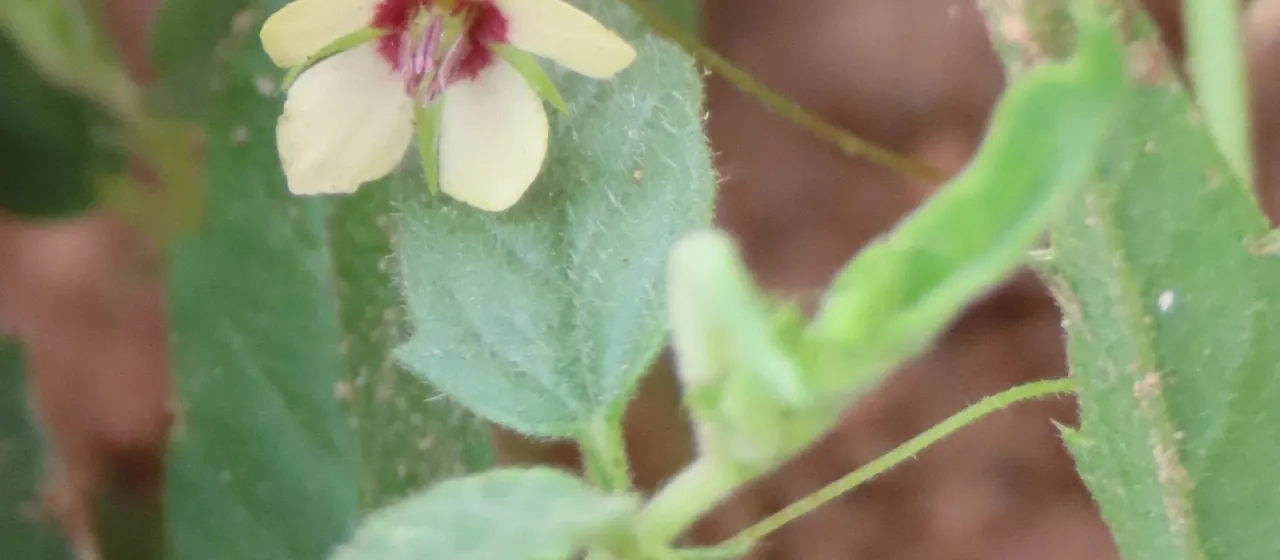
Botanically, the species is distinguished by its compact growth habit and specialized vegetative structures. The leaves are typically pubescent, a feature that aids in thermoregulation and moisture retention. The flowers demonstrate a distinct morphology consistent with the Malvaceae family, often attracting specialized pollinators in their native habitat.
Agricultural success with Hermannia tigreensis requires strict adherence to soil moisture management. It thrives in well-drained, sandy or gravelly soils where water stagnation is impossible. The plant requires significant solar exposure to maintain its vigor and health. Excessive irrigation is the most common cause of failure in cultivation, as the root system is highly prone to fungal decay if kept consistently wet.
Currently, the use of this crop is primarily found in xeriscaping, erosion control programs, and ecological restoration of degraded lands. While the species is inherently hardy, growers should remain vigilant against common pests such as aphids and mites during the active growing season. Preventive maintenance involves minimal irrigation and ensuring adequate airflow to prevent crown rot.