
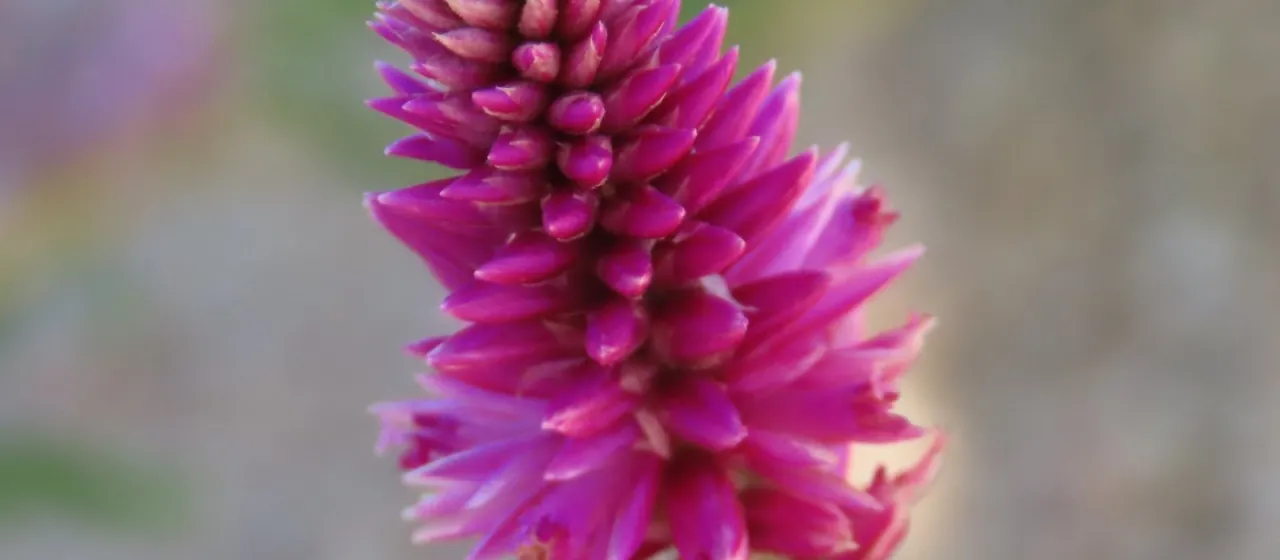
Description
Hermbstaedtia fleckii is a perennial herbaceous plant belonging to the Amaranthaceae family. This species is highly specialized for survival in harsh, arid environments. As a member of the Amaranthaceae family, it shares structural similarities with other drought-resistant plants, optimized for energy conservation and minimal water loss in high-temperature conditions.
The native distribution of this plant is centered in the arid regions of Southern Africa, particularly within Namibia and Botswana. It thrives in sandy, nutrient-poor substrates and open savanna landscapes. Its existence in these habitats is defined by its remarkable resilience to prolonged rainless periods, making it a key component of the local xerophytic flora.
Botanically, the plant is characterized by a robust root system and specialized leaf structures that reduce transpiration. The foliage often displays a compact growth habit, preventing excessive surface area exposure to the intense desert sun. Its reproductive strategy involves producing inflorescences capable of setting seeds even under moisture-stressed conditions, ensuring the population's continuity.
Cultivation requirements for this species are minimal, prioritizing well-drained, porous soils. It is highly sensitive to waterlogged conditions, which can inhibit its development and promote root rot. Farmers interested in this crop should focus on low-input management, as the plant is adapted to soils with low nutrient density and high salinity levels.
- Requires minimal irrigation.
- Thrives in sandy and alkaline soil profiles.
- Resistant to high solar radiation.
The potential for economic use lies primarily in arid-land restoration, soil erosion control, and as a survival fodder crop in extreme climates. While generally resilient, the plant can face pressure from specific desert insects and occasionally from fungal pathogens if soil moisture remains too high for extended periods. It serves as a study model for agricultural adaptation to climate change.