
Description
Hernandia nymphaeifolia is a prominent evergreen tree species belonging to the family Hernandiaceae. It is widely recognized for its distinctive peltate, heart-shaped leaves that mimic the appearance of water lilies, which is the primary reason for its specific epithet nymphaeifolia.
The native distribution of this species covers the tropical coastal zones of the Indian and Pacific Oceans. It is a quintessential coastal plant found on sandy beaches, coral atolls, and littoral forests throughout Southeast Asia, Northern Australia, and the islands of the Pacific. Its ability to thrive in salt-laden environments makes it a cornerstone of coastal ecosystem stability.
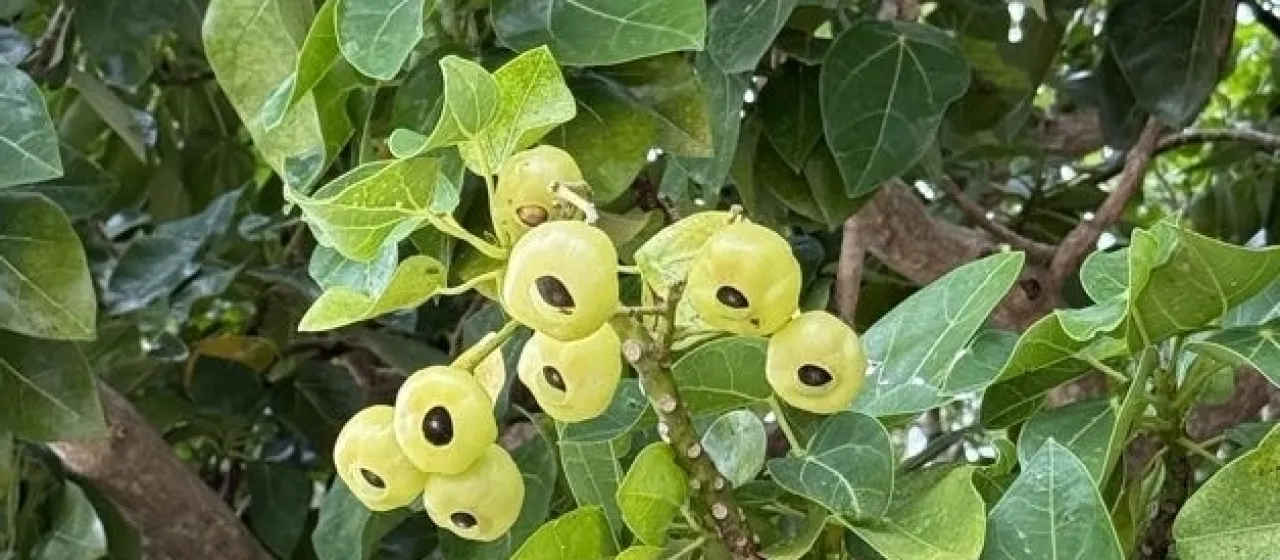
Botanically, the tree exhibits a dense, spreading crown and can reach significant heights. Its most fascinating feature is its fruit, which is enclosed within a fleshy, inflated cupule. This structure acts as a buoyant vessel, allowing the seeds to be transported by ocean currents across vast distances to colonize new shores, illustrating a successful evolutionary dispersal strategy.
Cultivation requirements for Hernandia nymphaeifolia focus on mimicking its natural habitat: high temperatures, consistent humidity, and well-draining, sandy or calcareous soils. It is highly resilient to salt spray, which is a major advantage for coastal reforestation projects. Agronomic management involves minimal intervention once the trees are established, though initial seedling care is necessary for consistent growth.
The economic and practical utility of this species is diverse. The wood is lightweight, soft, and easy to work with, historically valued for making dugout canoes and various handicrafts. Beyond timber, the plant serves critical environmental roles:
- Stabilizing dunes and preventing shoreline erosion.
- Providing shade and aesthetic value in tropical landscaping.
- Potential pharmacological properties derived from its secondary metabolites.
Typical plant health issues involve fungal infections if the root zone becomes waterlogged and infestations by specific tropical insects. Proper site selection focusing on soil drainage and airflow is the primary defense against these biological challenges.