
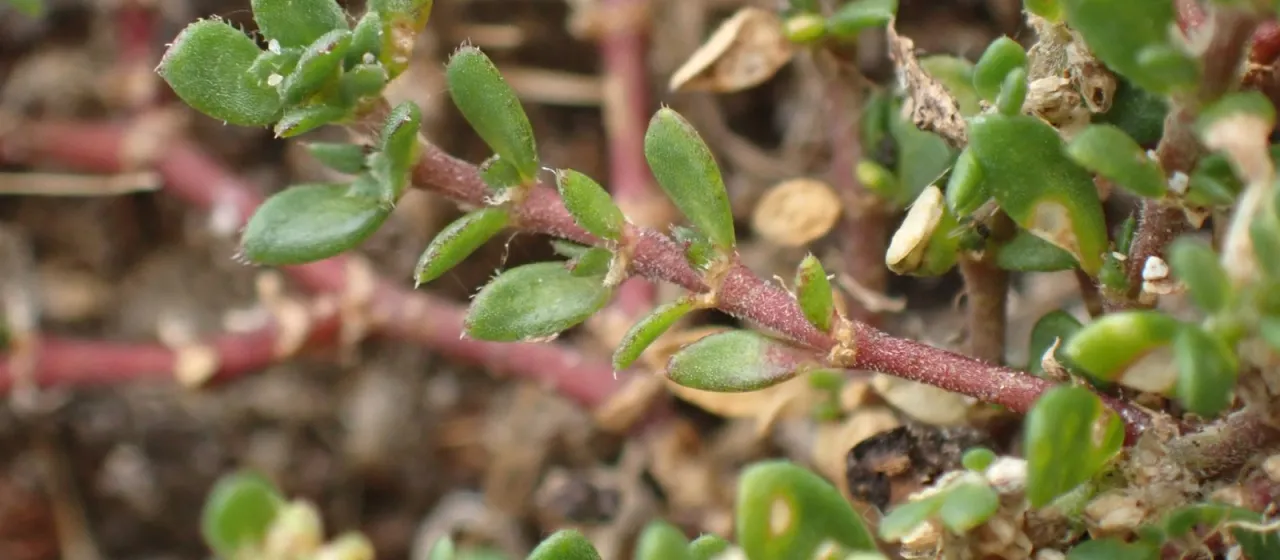
Description
Fringed rupturewort (Herniaria ciliolata) is a perennial herbaceous plant belonging to the Caryophyllaceae family. Known for its prostrate growth habit, this species forms dense mats that effectively cover the soil surface, providing stability and erosion control in harsh environments.
The plant originates from Western Europe, specifically regions along the Atlantic coast and Mediterranean areas. It is highly adapted to mild climates, thriving in open, sun-drenched habitats. Its geographical distribution typically follows coastal dunes and rocky slopes where competition from larger flora is minimal.
Botanically, it is distinguished by small, opposite leaves fringed with fine cilia, giving it a unique texture. The flowers are inconspicuous, greenish-yellow, and clustered in leaf axils. The plant’s structure is optimized for moisture retention, featuring a deep taproot that penetrates rocky substrates efficiently.
Agronomically, the crop demands excellent drainage and minimal nutrient input. It performs best in sandy or gravelly soils with a neutral to slightly alkaline pH. Excessive fertilization is usually detrimental, as it encourages weak, etiolated growth rather than the compact, hardy mats characteristic of the species.
In terms of economic use, it is primarily valued as a low-maintenance groundcover for landscape reclamation and rock gardens. Its ability to colonize nutrient-poor soils makes it a candidate for sustainable land management projects. Historically, species of the genus Herniaria have also been studied for their saponin content.
- High resilience to drought conditions
- Minimal fertilization requirements
- Adaptation to rocky and sandy soil types
Disease pressure is generally low unless the plant is subjected to poor air circulation or waterlogged soil, which leads to crown rot. Typical pests include small insects like aphids, which can be managed through natural predators. Monitoring for fungal infections during high-humidity periods is essential for maintaining crop health.