
Description
Grey rupturewort (Herniaria incana) is a perennial herbaceous plant belonging to the Caryophyllaceae family. It is recognized as a significant medicinal and hardy ornamental crop, valued for its ability to thrive in challenging, dry environments where other plant species often fail to survive.
Native to Southern Europe, the Caucasus, and parts of Western Asia, this plant has adapted to diverse climatic zones. It is typically found in arid steppes, rocky slopes, and sandy soils, which indicates its natural resilience and low maintenance requirements when introduced into agricultural production systems.
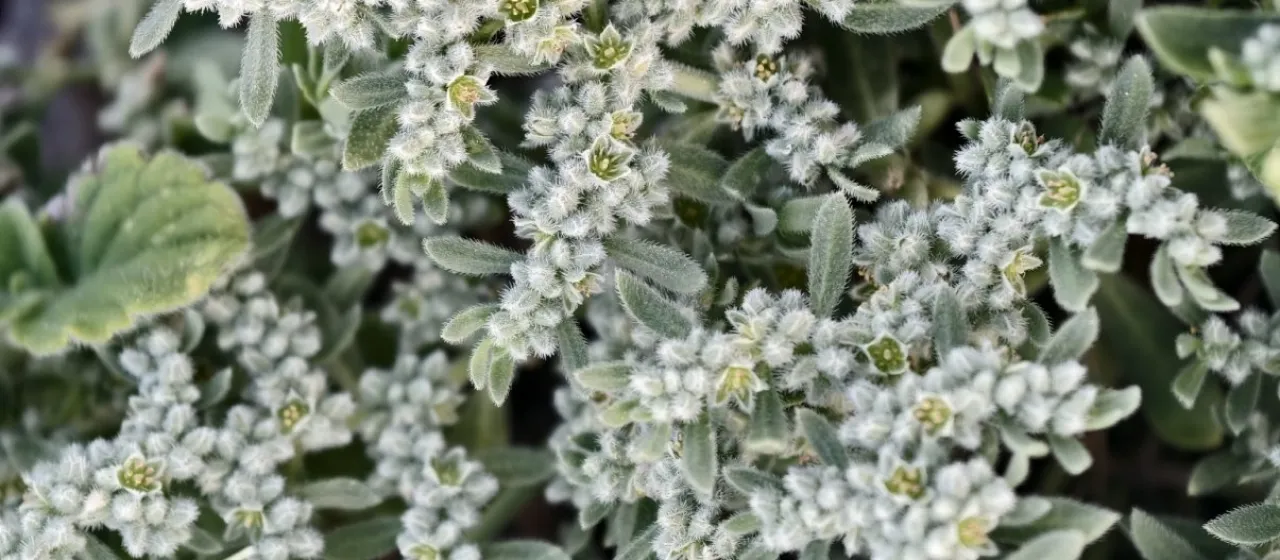
Botanically, the plant is characterized by its prostrate or semi-erect branching stems that form dense, mat-like ground covers. The leaves are small, elliptic, and distinctively greyish due to a covering of fine hairs. During the flowering stage, the plant produces tiny, yellowish-green flowers clustered in the axils, contributing to its unique aesthetic and medicinal yield.
Agronomic management of Grey rupturewort focuses on site selection with excellent drainage and full sun exposure. It prefers calcareous or sandy, nutrient-poor soils and requires very little irrigation once established. Its ability to tolerate drought makes it an ideal candidate for soil stabilization projects and low-input herb farming.
The industrial and economic utility of the plant lies primarily in its phytochemical profile, specifically its application in traditional medicine and herbal pharmacology. The primary uses include:
- Extraction of bioactive compounds for diuretic medications.
- Use in commercial herbal blends for kidney and bladder health.
- Utilization as a drought-tolerant ground cover in landscaping.
Disease management involves primarily preventing root rot and fungal infections caused by excessive humidity or poor soil aeration. While the plant is generally hardy, it may be susceptible to aphids or generalist herbivores, which are best managed through integrated pest control practices and maintaining proper plant spacing to ensure airflow.