
Description
Smooth rupturewort (Herniaria glabra L.) is a perennial herbaceous plant belonging to the Caryophyllaceae family. In agricultural practice, it is recognized as a resilient species that possesses significant medicinal value due to its unique chemical profile, which is highly sought after by the pharmaceutical industry for its anti-inflammatory and diuretic properties.
The native range of this species extends throughout Europe, the Caucasus, and Western Siberia. It has historically occupied dry, sandy habitats, which makes it an ideal candidate for cultivation in marginal lands. As a crop, it demonstrates exceptional adaptability to various environmental stressors, including low nutrient availability and high levels of solar radiation.
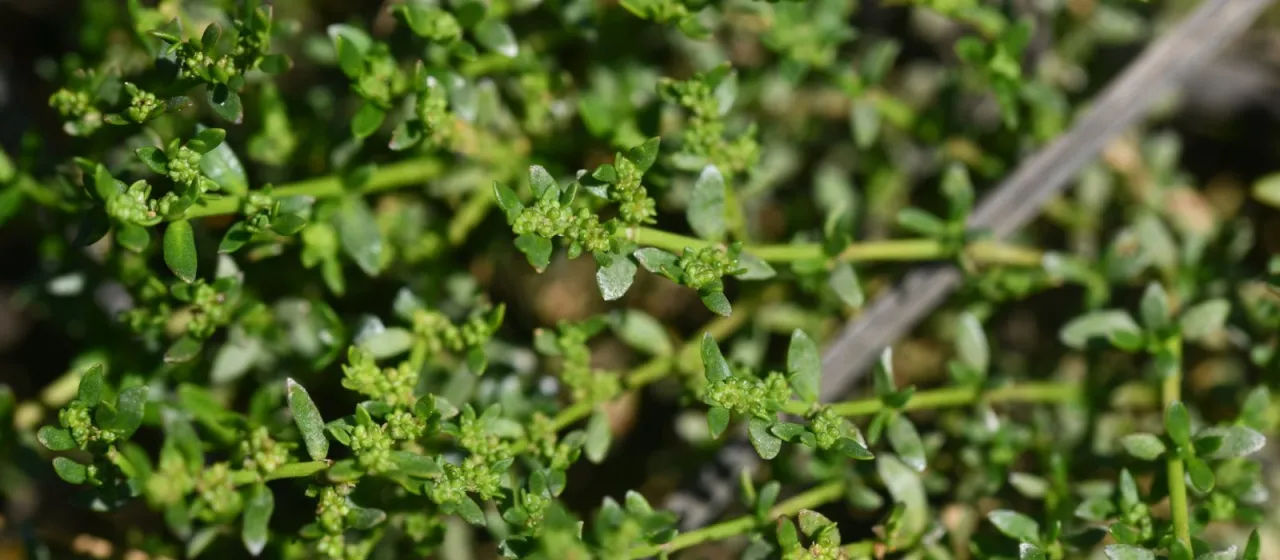
Botanically, the plant is characterized by prostrate, mat-forming stems that spread along the ground. Its leaves are small, elliptic, and opposite, while the tiny greenish flowers are arranged in dense axillary clusters. The root system consists of a deep taproot, which allows the plant to access subsoil moisture, ensuring survival during prolonged dry spells.
Cultivation requirements involve selecting well-drained, loose, sandy soil. The species does not thrive in waterlogged conditions, making adequate site drainage a priority. Field management requires early-stage weed control, as the plant's low-growing habit makes it susceptible to competition from more aggressive weeds during the establishment phase of development.
Beyond its pharmacological importance, smooth rupturewort is valued for its role in sustainable landscaping and land rehabilitation. Its ability to create a dense ground cover without intensive maintenance makes it a preferred choice for erosion control and xeriscaping. It remains a low-input crop that can thrive in various agricultural systems under proper management.
- Common diseases: powdery mildew, root rot in poorly drained sites.
- Pests: aphids, spider mites during periods of extreme drought.
- Propagation: usually by seed or stem cuttings during active growth.