Herreria stellata
Herreria stellata
Description
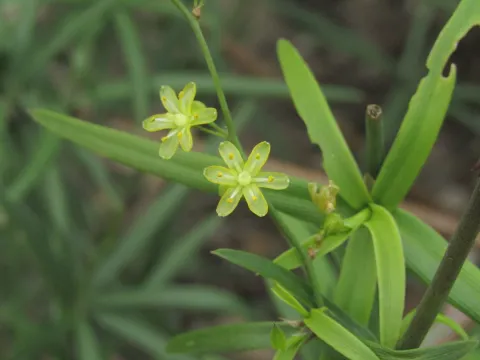
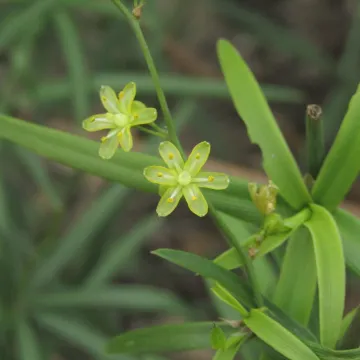
Herreria stellata is a perennial climbing plant belonging to the Asparagaceae family. In its natural habitat, it functions as a vigorous vine, utilizing its stems to climb and spread through vegetation to maximize exposure to sunlight in temperate to subtropical environments.
This species is native to South America, with a distribution range that includes parts of Argentina, Brazil, and Chile. The plant is well-adapted to regional climatic conditions, thriving in areas where it can utilize its root system to store resources during fluctuating precipitation levels.
Botanically, the plant is distinguished by its leaves, which are arranged in characteristic whorls along the stem, giving rise to its common name and specific epithet. It typically grows as a long-lived climber, with stems that possess significant tensile strength to support the weight of the foliage during the growing season.
Regarding agrotechnical requirements, Herreria stellata performs best in well-draining, nutrient-rich soils. It requires structural support, such as a trellis or fence, to grow properly. Watering should be consistent during the peak growing months, but care must be taken to prevent waterlogging, which can compromise the root system.
The primary use of this plant is in landscaping and ornamental gardening, where it is prized for its unique foliage and climbing habit. While generally robust, it may be susceptible to typical pests such as aphids or spider mites. Maintaining healthy plants involves monitoring for moisture-related diseases and ensuring that the structural support is adequate for the plant's mature size.
Photo gallery