
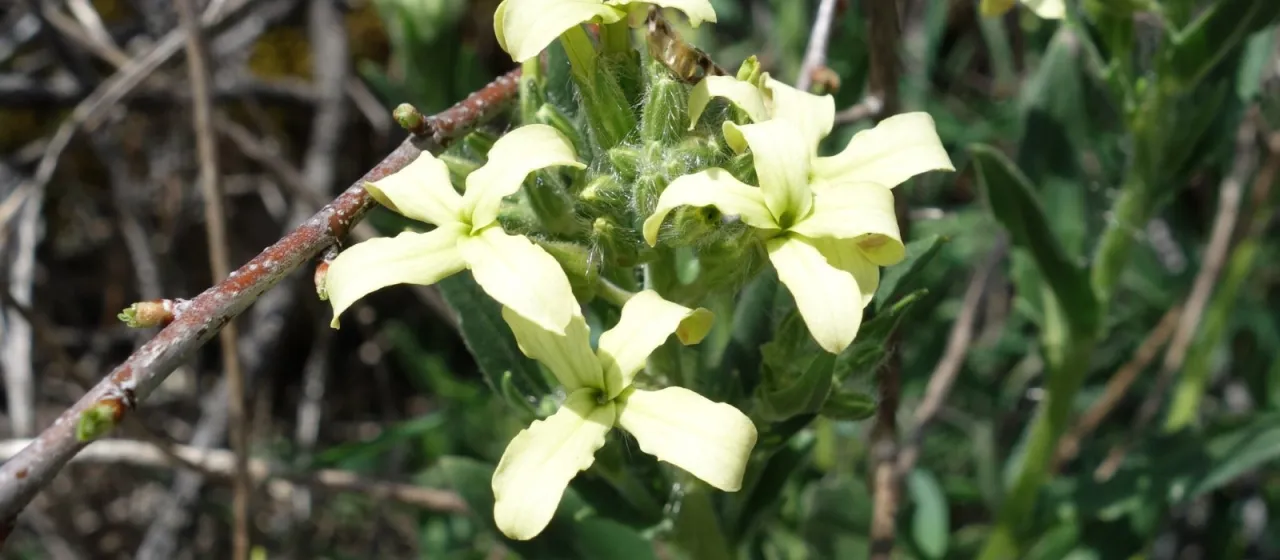
Description
The cut-leaved dame's rocket (Hesperis laciniata) is a perennial herbaceous plant belonging to the Brassicaceae family. Within the agricultural and horticultural sector, it is recognized for its ornamental value, fragrant flowers, and its role in enhancing biodiversity within field margins and gardens.
Originating from Southern Europe and the Caucasus region, this species naturally thrives in rocky terrains and limestone-rich soils. Its cultivation range extends across temperate climates, where it adapts well to conditions that mimic its wild habitat, provided the soil is sufficiently aerated and well-drained.
Botanically, the plant is characterized by its deeply laciniate (cut) leaves and upright stems that typically reach heights between 50 and 80 centimeters. The flowers are arranged in loose racemes and are particularly notable for their evening scent, a trait shared with other members of the genus. The flowering season usually spans from late spring to early summer.
The climatic requirements of Hesperis laciniata focus on moderate temperature needs and excellent drainage. It is hardy enough to survive cold winters but is highly sensitive to waterlogging. Soils should ideally have a neutral or slightly alkaline pH to ensure optimal nutrient uptake and to prevent the development of root diseases.
- Light requirements: Full sun to partial shade.
- Soil type: Well-drained, porous, limestone-influenced soil.
- Watering: Regular but moderate to prevent root rot.
- Cultivation: Primarily propagated via seeds.
In terms of хозяйственное (economic) use, the plant is primarily cultivated for landscaping and as a pollinator-friendly crop. Its ability to attract bees and butterflies makes it a valuable addition to agro-ecological schemes, helping to improve the pollination rates of nearby commercial crops in integrated farming systems.
Common pests include flea beetles, which can cause significant damage to foliage if left uncontrolled. Diseases such as powdery mildew and various root rots are typical issues associated with poor site drainage. Effective management involves maintaining optimal plant spacing, ensuring good airflow, and implementing preventive cultural practices to avoid humidity-related pathogens.