
Description
Dame's rocket (Hesperis matronalis L.) is a biennial or short-lived perennial herb belonging to the Brassicaceae family. In agriculture, it is recognized for its potential as an oilseed crop and a highly productive honey plant, offering environmental benefits through its nectar-rich blossoms.
The plant originates from Southern Europe and the Mediterranean region but has spread throughout temperate zones globally. It prefers fertile, loamy soils and is frequently found in moist, shaded environments, making it a resilient crop for various temperate climates.
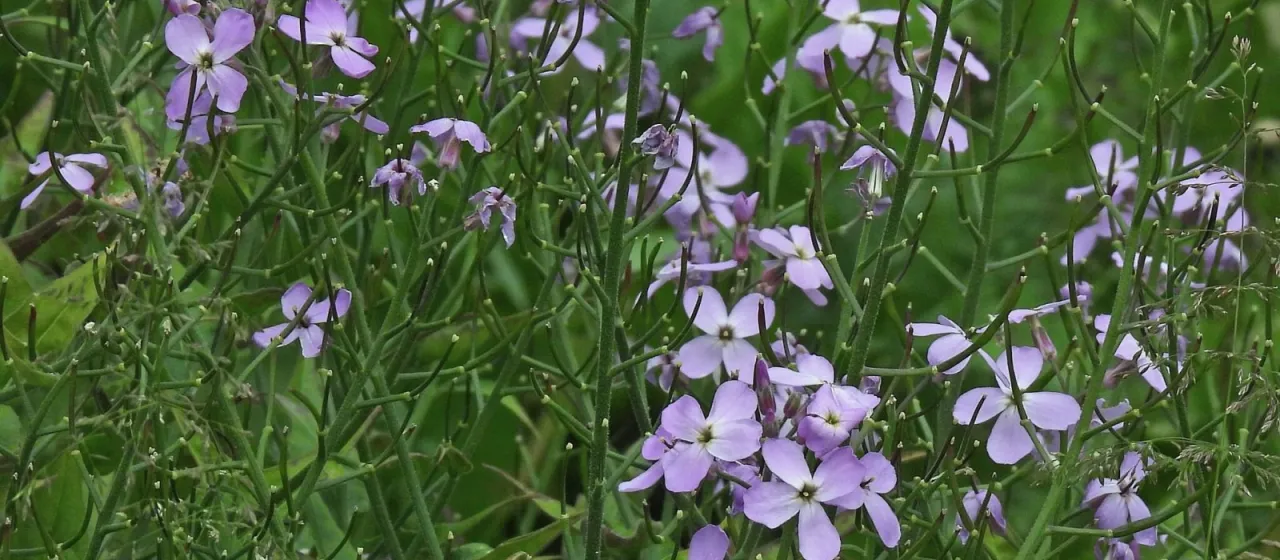
Botanically, Dame's rocket develops an erect stem reaching 50 to 100 cm in height. Its lanceolate leaves and terminal racemes of fragrant flowers are its signature traits. The seeds are notable for their oil content, which has been investigated for industrial applications, including biofuel production and chemical base stocks.
Agronomic success depends on providing well-drained, lime-rich soil with consistent moisture. Sowing is typically performed in early spring or autumn. During the first year, the plant focuses on developing a robust root system and a basal rosette of leaves, requiring minimal but consistent maintenance like weeding and soil aeration.
- Excellent nectar source for honey bees.
- Industrial oil extraction potential.
- Natural landscaping and soil erosion control.
- Phytoremediation properties for specific contaminants.
The crop is susceptible to diseases like downy mildew and powdery mildew, especially in humid conditions. Insect pests such as flea beetles and aphids pose the greatest threat to vegetative growth. Implementing integrated pest management strategies, such as crop rotation and timely field monitoring, is crucial for sustaining yields.