
Description
Forest rocket (Latin Hesperis sylvestris) is a herbaceous perennial plant belonging to the Brassicaceae family. In agronomic terms, this species is recognized for its ornamental value and its role as a nocturnal honey plant, which is highly appreciated in biodiversity-friendly agricultural landscapes.
The origin of Hesperis sylvestris is primarily associated with temperate regions of Central and Southern Europe. It thrives in woodland margins and shrubby areas, adapting well to diverse environments. Its cultivation range has expanded to various temperate climates, where it demonstrates resilience and consistent seasonal performance.
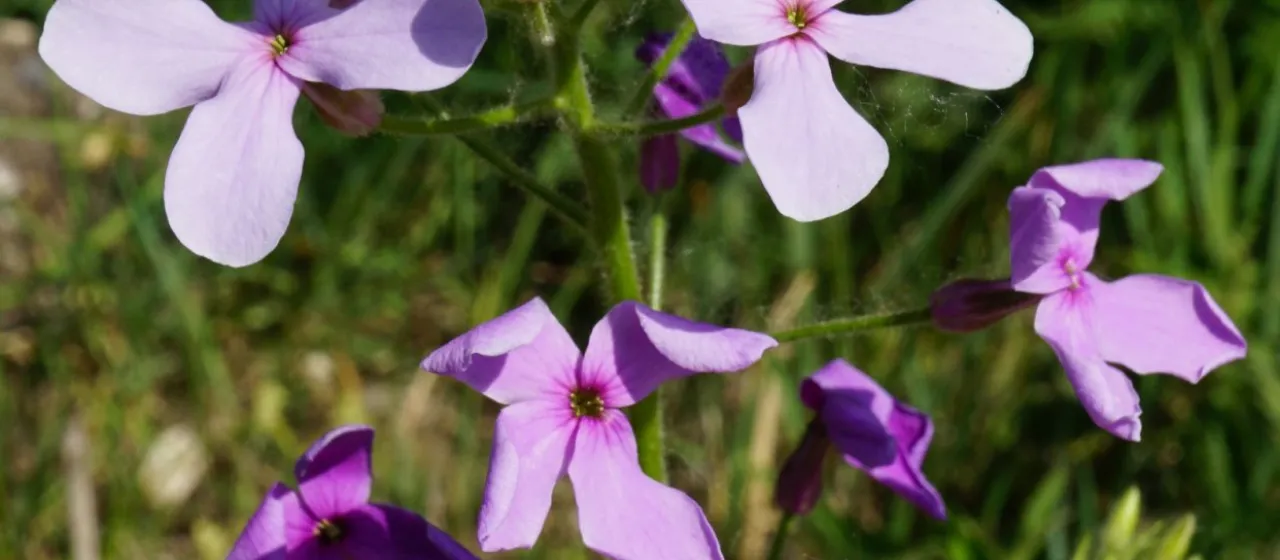
Botanically, the plant features a sturdy, erect stem reaching heights of up to 90 centimeters, accompanied by lanceolate leaves. It produces racemes of fragrant flowers, ranging from white to violet hues. The fruit is a silique, a typical characteristic of the mustard family, which ensures efficient seed production and propagation during the late summer cycle.
Successful cultivation requires fertile, well-draining soil with a neutral pH level. Forest rocket prefers partial shade or dappled sunlight, mirroring its natural forest habitat. Soil moisture management is critical; while the plant requires consistent hydration for growth, it is sensitive to waterlogging, which can compromise the root system's health.
- Direct sowing in prepared soil during early spring.
- Consistent irrigation to maintain soil moisture levels.
- Thinning seedlings to prevent overcrowding and improve airflow.
- Application of balanced organic fertilizers to promote flower density.
The primary agricultural and horticultural use of forest rocket is focused on landscape enhancement and supporting local pollinator populations. As a member of the cabbage family, it may be susceptible to pests such as flea beetles and diseases like downy mildew. Integrated pest management, including monitoring and timely intervention, is essential to maintain plant health throughout the season.