
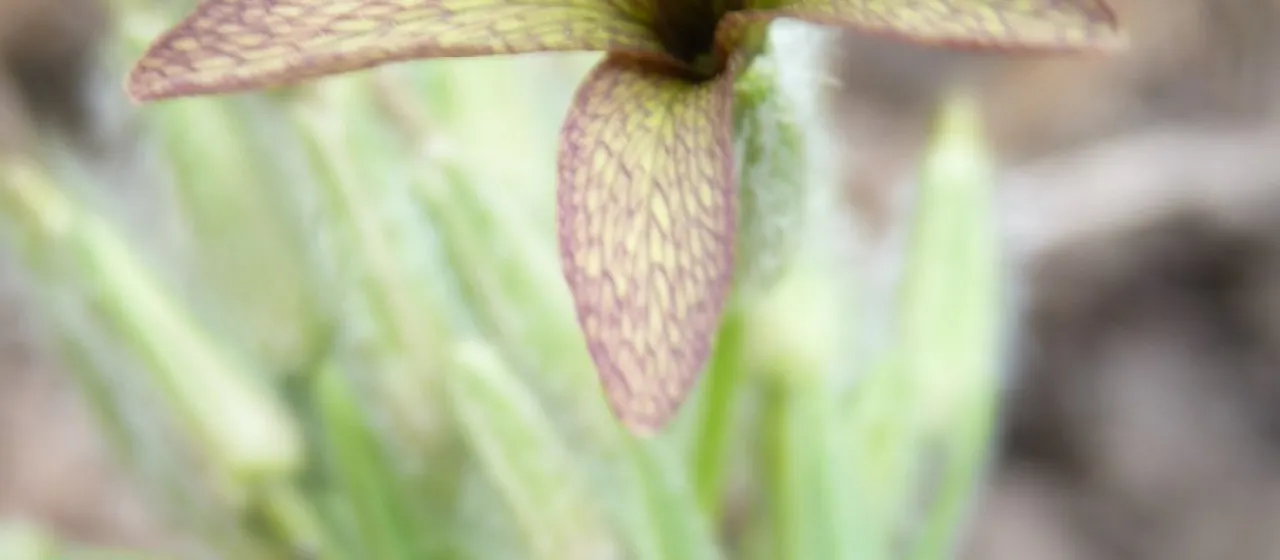
Description
Night-scented stock (lat. Hesperis tristis) is a biennial or perennial herbaceous plant belonging to the Brassicaceae family. While often recognized for its ornamental value, it is also classified as a minor crop due to its specialized chemical profile and potential application in the fragrance and essential oil industry.
The plant originates from Central and Southern Europe, thriving in steppes and open meadows. It is well-adapted to continental climates, requiring a period of temperate weather to establish its root system and produce its characteristic blooms. It shows significant resilience against fluctuating temperatures.
Botanically, the plant is distinguished by a branching, hairy stem that reaches heights of up to 60 centimeters. The leaves are generally oblong and slightly toothed. The inflorescences are known for their distinct brownish-purple color and a powerful, sweet scent that is primarily released after sunset, which is a key adaptation for attracting nocturnal pollinators.
Successful cultivation requires well-drained, lime-rich loamy soils. The crop benefits from moderate moisture levels, although it can tolerate temporary dry spells once established. Agronomic practices include consistent weeding and the application of balanced phosphorus-potassium fertilizers to optimize the concentration of essential oils within the plant tissues.
The primary economic value of Hesperis tristis lies in its use for extract production and its function as a honey-producing crop. Growers must be vigilant against common Brassicaceae pests, such as flea beetles. Additionally, crop management should focus on preventing fungal diseases like powdery mildew and clubroot through proper field hygiene and effective rotation strategies.