
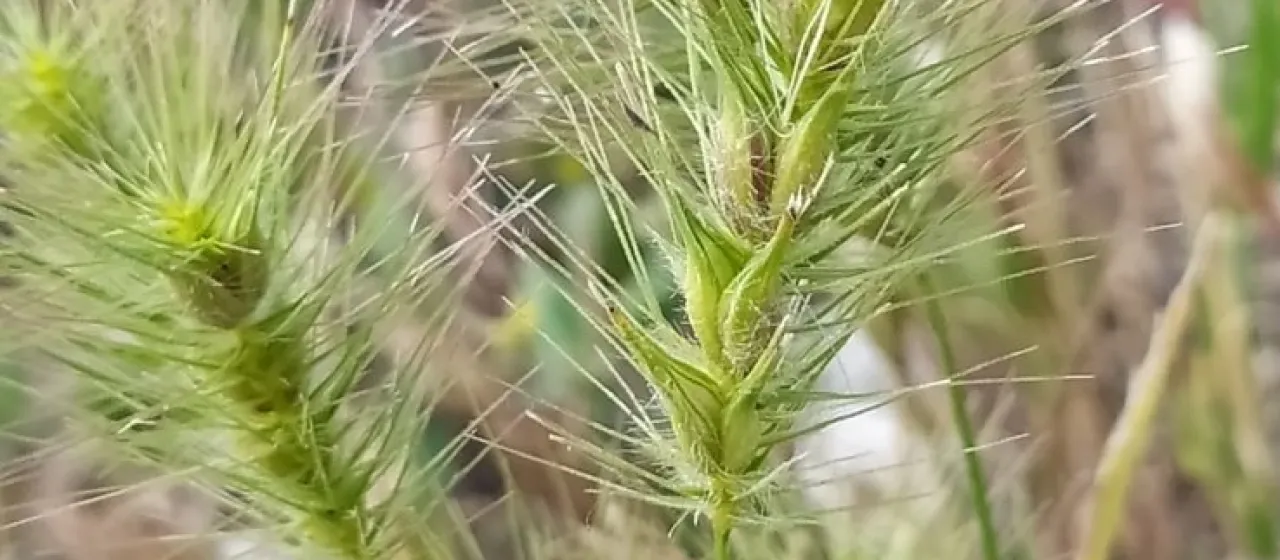
Description
Heteranthelium piliferum is a distinctive annual grass belonging to the Poaceae family. Within agricultural practice, it is recognized as a niche forage species, specifically adapted to arid and semi-arid environments where water availability is a major limiting factor for crop production.
The plant originates from the arid regions of Western Asia and the Caucasus. Its native range includes dry meadows, slopes, and rocky terrain. Because of this evolutionary history, Heteranthelium piliferum possesses strong mechanisms to thrive in low-rainfall climates, making it a subject of interest for arid-zone agronomy and rangeland management.
Botanically, the plant is characterized by its slender, pubescent leaves and a culm that typically reaches a modest height. The inflorescence is a specialized spike, where the arrangement of the florets exhibits the complexity common to the genus. This structural diversity is a key feature in distinguishing the species from other grasses in the same family.
Regarding cultivation requirements, the species prefers well-drained, sandy-loam soils and high light exposure. In terms of agronomy, it is crucial to manage sowing density to ensure maximum biomass production without depleting soil moisture. The plant is best suited for extensive farming systems where minimal chemical input is required for sustainable forage output.
Main хозяйственное usage includes pasture grazing, particularly during spring and early summer before the plants reach full maturity. Regarding pests and diseases, the plant is subject to common grass pathogens like rust fungi and aphid infestations. Preventive measures include crop rotation and monitoring for early symptoms of fungal growth, especially after humid periods.
- High heat tolerance.
- Low nutritional competition with weeds.
- Adapted to poor soil types.