
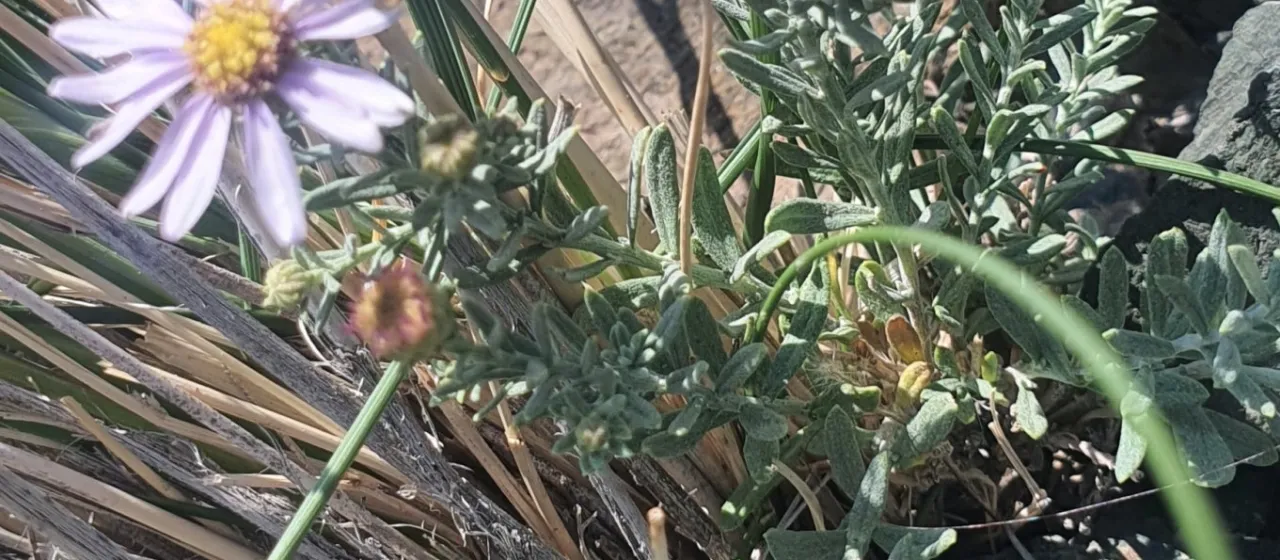
Description
Heteropappus altaicus is a perennial herbaceous plant belonging to the Asteraceae family. It is widely recognized for its robust nature and ability to thrive in challenging environmental conditions. As a hardy plant, it forms dense clusters and is highly regarded in horticultural circles for its aesthetic appeal during the late summer flowering period.
The native range of this species extends across Siberia, Mongolia, China, and parts of Central Asia. It typically inhabits rocky slopes, steppes, and sandy river banks. This natural habitat has adapted the plant to withstand extreme temperature fluctuations, making it an excellent choice for regions with harsh winters and unpredictable weather patterns.
Botanically, the plant features erect stems ranging from 15 to 40 centimeters in height, adorned with lanceolate foliage. Its flower heads, which are daisy-like in appearance, range in color from soft blue to vibrant violet, complemented by a yellow central disc. The structure of the plant makes it an ideal candidate for rock gardens and naturalistic landscapes.
Regarding cultivation, Heteropappus altaicus is not demanding concerning soil fertility, thriving even in poor, gritty, or sandy substrates. Success in growing this plant relies heavily on excellent soil drainage; waterlogged conditions are detrimental to its health. It performs best in full sun, which ensures strong stem structure and prolific blooming throughout the season.
The practical applications of this plant are primarily decorative, focusing on low-maintenance gardening and xeriscaping. Its deep root system is beneficial for soil stabilization on embankments. Furthermore, it serves as a valuable nectar source for pollinators, contributing to local biodiversity. Being largely resistant to common pests and diseases, it remains a reliable choice for sustainable gardening practices.