
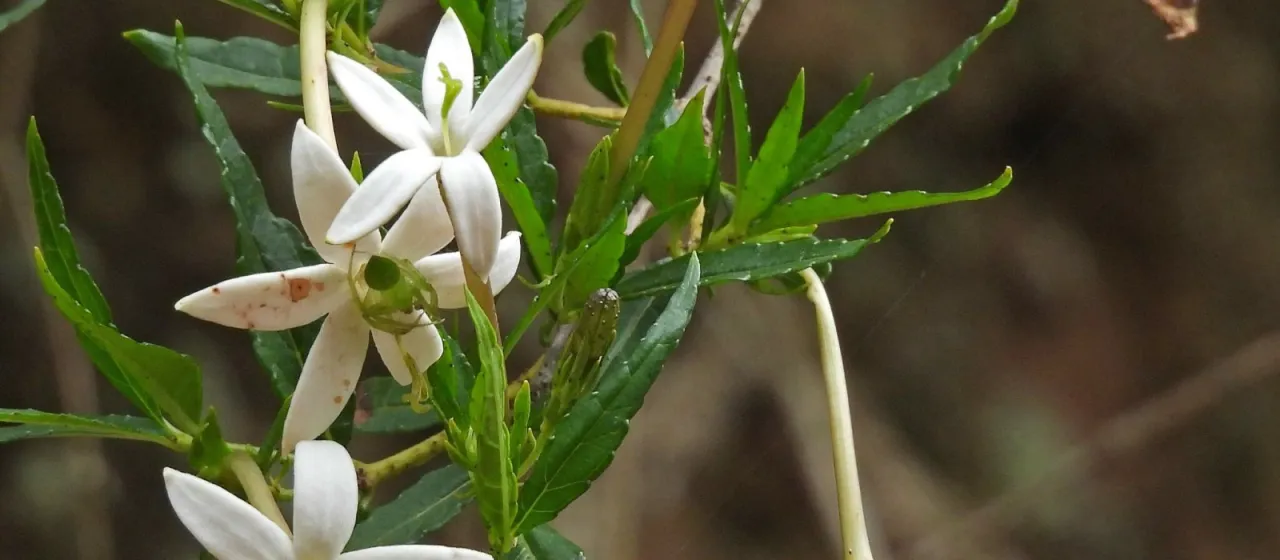
Description
Heterophyllaea pustulata is a perennial shrub belonging to the Rubiaceae family. While not a conventional agricultural crop, it is a plant of significant botanical interest due to its unique chemical composition and its role as a naturally occurring toxicant within its native high-altitude ecosystem.
The native range of this plant is strictly associated with the Andean region of South America, primarily within Argentina and Bolivia. It has adapted to thrive in harsh mountain climates, often colonizing rocky, nutrient-poor substrates where other vegetation struggles to establish itself.
The morphology of the plant is distinguished by the presence of glandular pustules on the leaves. These structures contain secondary metabolites, specifically anthraquinones, which act as a defense mechanism for the plant. These chemicals are the primary reason for the plant's significant toxicity toward herbivores.
Agricultural management in regions where Heterophyllaea pustulata grows is largely focused on pasture safety. Consumption of this plant causes severe photosensitization in livestock; the absorbed toxins react with sunlight on the skin of the animal, causing painful lesions and inflammation. Controlling the spread of this plant is vital for protecting grazing animal health.
Regarding potential utilization, the plant is a subject of scientific research in the fields of pharmacology and natural chemistry. Scientists are exploring the antimicrobial and antifungal properties of the pigments extracted from its leaves. However, it remains a wild-growing species rather than a cultivated crop due to its inherent toxicity and strict ecological niche requirements.