
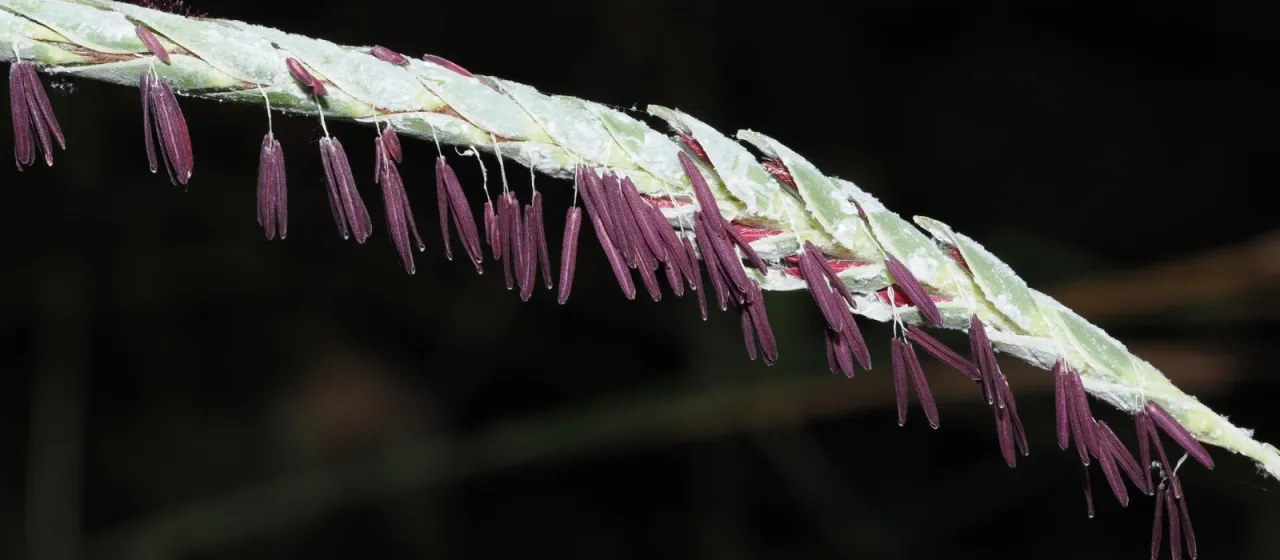
Description
Heteropogon triticeus is a perennial grass species belonging to the Poaceae family. Known for its robust growth and adaptability, this plant serves as a significant forage resource in various tropical and subtropical regions. It is highly valued for its ability to produce substantial biomass in conditions where other sensitive crops might fail, making it a reliable component of rural pasture systems.
The native distribution of this species spans across regions of Southeast Asia and Australia. It naturally thrives in diverse environments, ranging from open woodlands to savanna-like habitats. This broad ecological plasticity is supported by its evolutionary adaptations, such as deep rooting patterns that allow the plant to survive in nutrient-poor and drought-prone soils.
Botanically, Heteropogon triticeus is characterized by its stiff, erect stems and narrow, elongated leaves. The most distinct feature is the inflorescence, a spikelike raceme with long, twisted awns that facilitate the dispersal of seeds by adhering to animal fur. This structure contributes to the plant’s efficient reproduction but requires careful management during harvesting cycles to maintain forage quality.
Climate and soil requirements for this crop are relatively flexible, yet it shows a clear preference for well-drained soils and high sunlight exposure. It exhibits notable resistance to salinity and low fertility, which minimizes the need for heavy chemical inputs. Agronomic practices typically involve controlled grazing cycles to prevent overgrazing and the maintenance of adequate regrowth periods between cuts.
Economic and agricultural utility is primarily focused on livestock support:
- Utilized as a high-volume forage crop for cattle and ruminant grazing systems.
- Incorporated into land rehabilitation projects for soil stabilization.
- Harvested for dry hay production during the peak growing season to ensure winter feed.
Regarding plant health, Heteropogon triticeus is generally resilient, though it can be susceptible to leaf rust and fungal infections under high humidity. Pests such as stem-boring insects may occasionally affect localized stands. Effective crop management relies on consistent monitoring of plant health and the strategic application of mowing regimes to interrupt pest cycles and optimize the nutritional content of the fodder.