
Description
Heteropterys purpurea is a vigorous woody liana that belongs to the Malpighiaceae family. Recognized for its climbing habit and aesthetic appeal, this plant is a significant representative of tropical flora, often utilized for its ability to create dense, lush foliage in appropriate climates.
The native range of this species is primarily located in Central and South America. It thrives in tropical rainforest ecosystems, where it utilizes its climbing mechanisms to reach the upper strata of the forest canopy. The plant's distribution reflects its high demand for consistent humidity and ambient warmth typical of its indigenous tropical regions.
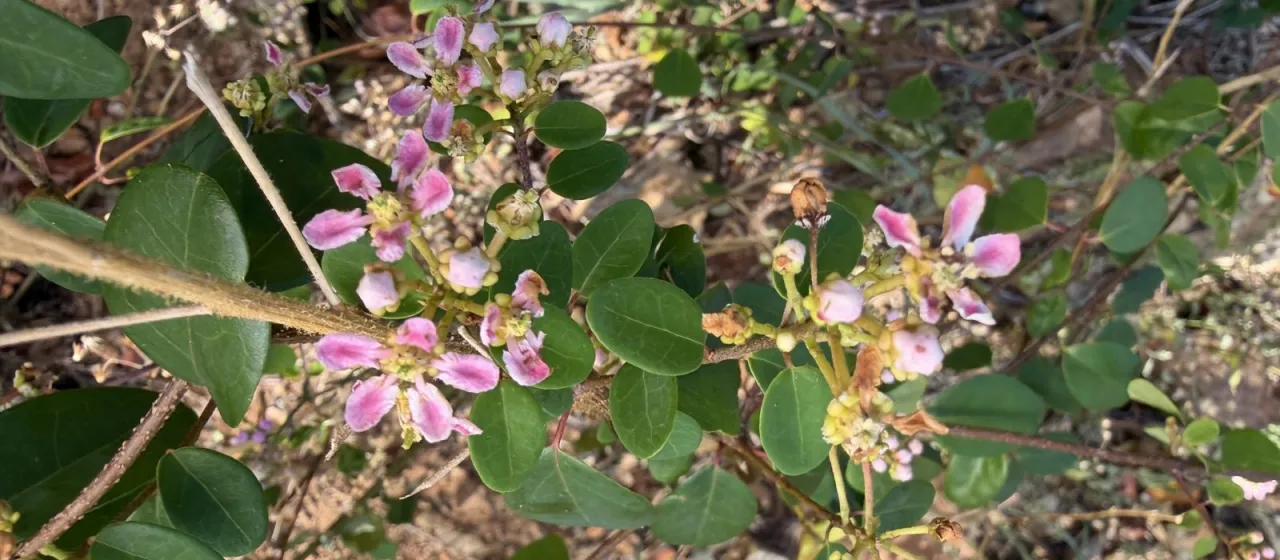
The botanical structure of the plant consists of woody vines and opposite leaves that are often characterized by a smooth or leathery texture. Its most distinctive feature is its vibrant inflorescence, which displays purple to pink flowers. The production of winged seeds allows the species to effectively colonize new areas within its habitat by wind dispersal.
Cultivation of Heteropterys purpurea requires specific environmental conditions, including well-draining soil and a tropical climate with temperatures consistently above 20°C. Agronomic practices focus on providing robust trellises or vertical supports, as well as maintaining soil moisture balance to prevent root rot, while ensuring high humidity levels are met through supplemental irrigation.
Economically, the plant is primarily used in ornamental landscaping and public gardens in warmer latitudes. While pharmacological research into its secondary metabolites is ongoing, its primary value currently remains aesthetic. Potential phytosanitary issues include:
- Infestations of scale insects and spider mites
- Fungal diseases occurring in high-humidity, poorly ventilated areas
- Root decay due to waterlogging in heavy, clay-based soils