
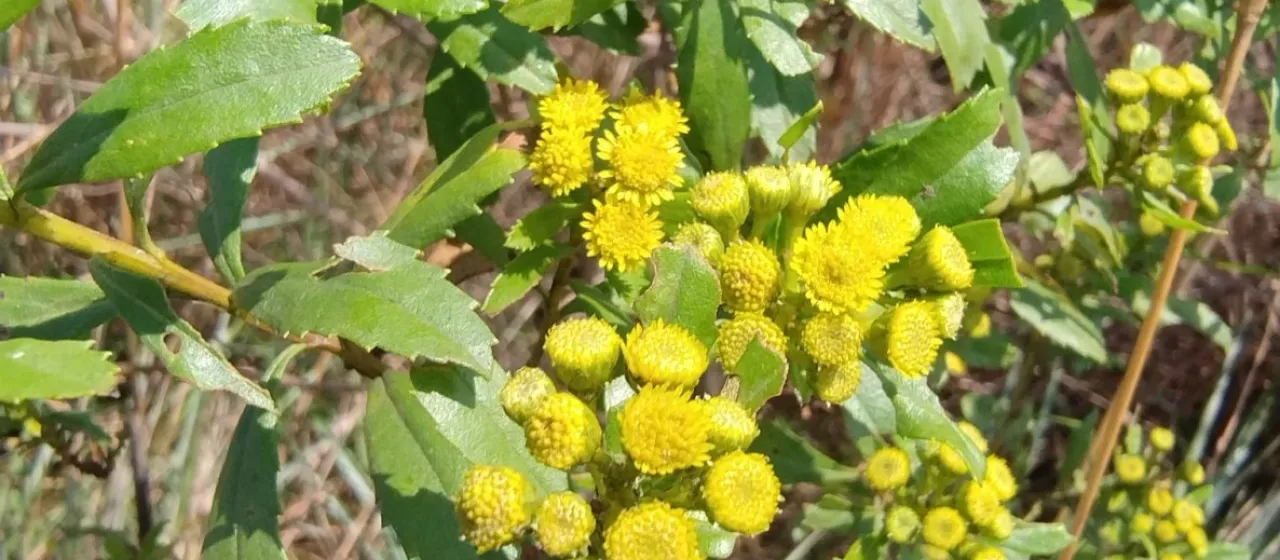
Description
Heterothalamus psiadioides is a perennial shrub belonging to the Asteraceae family. Native to the diverse landscapes of South America, this plant is well-adapted to specific regional climates, often thriving in open, sun-exposed terrains where other vegetation may struggle.
Botanically, the plant is characterized by its woody structure and dense foliage. The small, often pubescent leaves are a critical adaptation for water retention, while its characteristic composite flower heads provide a reliable reproductive mechanism within its endemic geographical range.
Successful cultivation of this species requires well-draining soil, ideally sandy or rocky, which mimics its natural habitat conditions. It exhibits high drought tolerance once established, though it requires consistent sunlight to reach peak biomass and secondary metabolite production.
The primary economic use of Heterothalamus psiadioides revolves around its therapeutic properties. It is traditionally utilized in herbal medicine for its potential anti-inflammatory and antiseptic effects. Research also suggests interest in its essential oils for potential industrial applications.
Agronomic management is straightforward but requires attention to moisture levels, as waterlogging is the most common cause of root disease. Growers should monitor for typical pests such as spider mites, and implement balanced pruning to maintain healthy vegetative growth and air circulation within the shrub canopy.