
Description
Heterotheca camporum, commonly known as prairie goldenaster, is a perennial herb belonging to the Asteraceae family. This species is often utilized in ecological landscaping and restorative planting due to its robust nature and ability to thrive in harsh, open environments.
Native to North America, the plant is primarily found across the United States. Its natural habitat includes prairies, open fields, and areas with sandy soils, which makes it highly adaptable to various climatic conditions, particularly those characterized by low rainfall and high sunlight intensity.
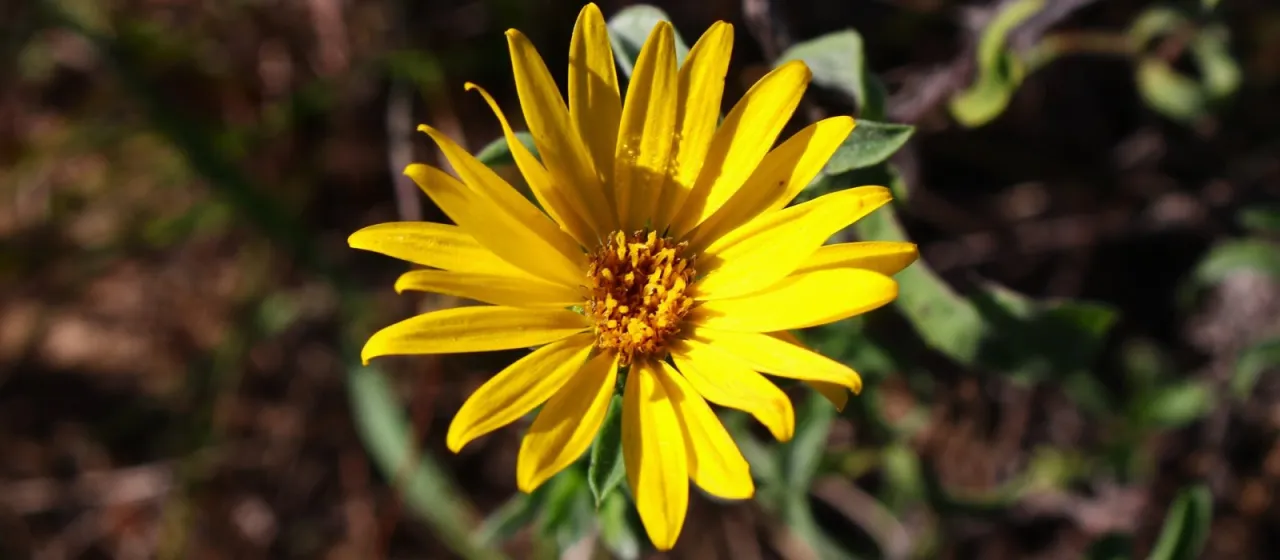
Botanically, the plant is distinguished by its upright growth habit and foliage covered in fine hairs, which serves as a defense against dehydration. During the peak of the season, it produces bright yellow, daisy-like flower heads that are highly attractive to local pollinators.
Cultural requirements for this plant focus on well-draining soil and full sun exposure. It does not require high levels of fertilization; in fact, it performs best in poor to average soil conditions. Adequate spacing is recommended to ensure proper air circulation, which helps maintain plant health.
- Exceptional drought tolerance.
- Pollinator-friendly yellow blooms.
- Low maintenance requirements once established.
- Versatility in naturalistic landscaping designs.
The primary use of Heterotheca camporum is as a decorative element in prairie-style gardens and for ecological restoration. Common pests include aphids, which may settle on new growth, while fungal issues such as powdery mildew can occur if there is inadequate airflow or excessive soil moisture.