
Description
Telegraphweed (Heterotheca grandiflora) is a herbaceous plant belonging to the Asteraceae family. In agricultural and environmental studies, it is recognized for its aggressive colonization capabilities and its adaptation to disturbed soil environments, frequently appearing in pastures and fallow fields.
The species is native to western North America, particularly regions within the United States and Mexico. Over time, it has established itself in various environments, showing a preference for open, sun-drenched sites. It is commonly found colonizing roadsides and neglected agricultural lands, demonstrating high resilience to environmental stressors.
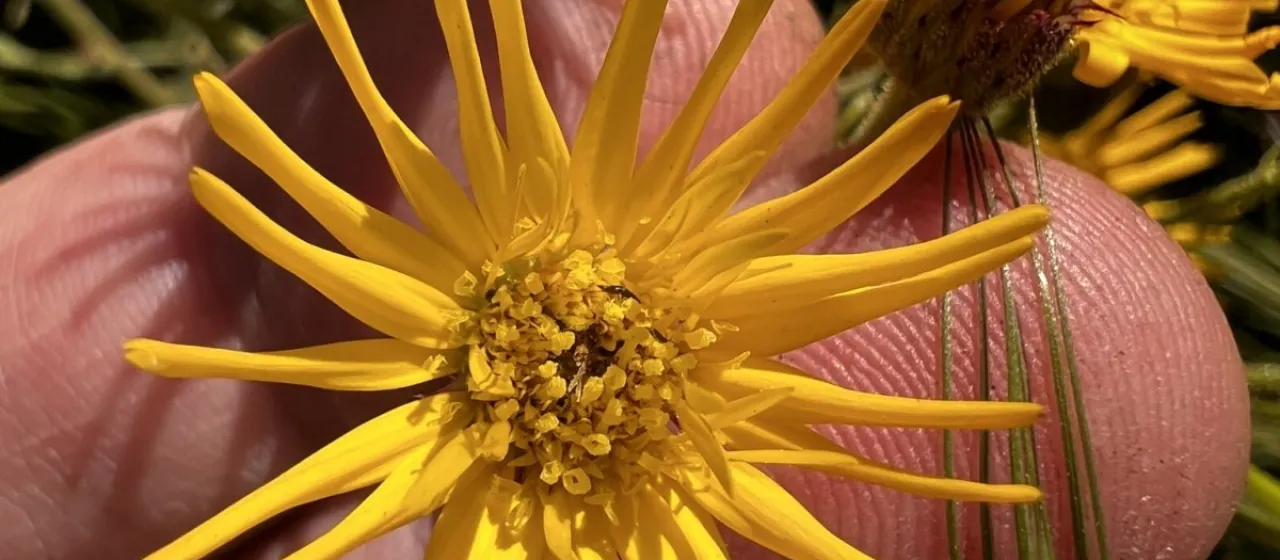
Botanically, the plant is characterized by a tall, branched stem that can reach significant heights. Its foliage is notably grayish-green and densely pubescent, an adaptation that serves to minimize water loss via transpiration. The inflorescence consists of numerous small, bright yellow flower heads that attract a variety of pollinators.
Regarding cultivation and agronomy, Telegraphweed thrives in well-drained, sandy, or rocky soils. It requires minimal irrigation once established, as it is highly drought-tolerant. Management practices focus primarily on preventing the uncontrolled spread of seeds; mechanical removal or frequent mowing is recommended in areas where the plant is considered a nuisance.
The plant has limited commercial use but serves an important ecological role as a late-season pollen source for bees. Potential phytosanitary issues include susceptibility to fungal pathogens during periods of high humidity and infestation by generalist insect pests such as aphids, which can affect its overall vigor and growth rate.