
Description
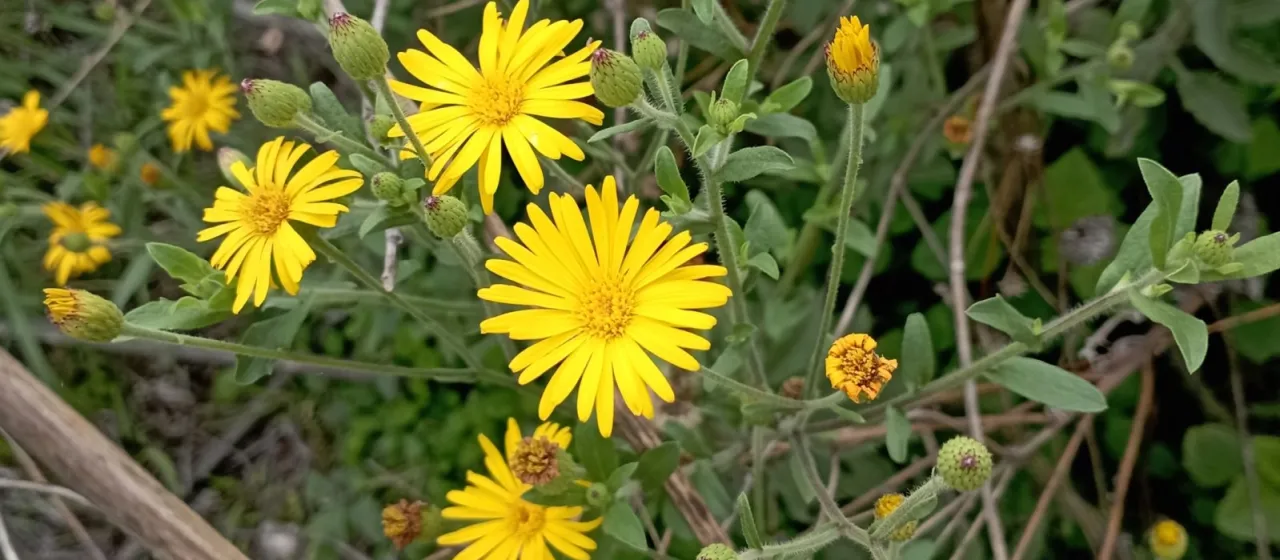
Heterotheca inuloides is a perennial herbaceous plant belonging to the Asteraceae family. Often referred to as Mexican arnica, this species is cultivated primarily for its therapeutic properties. The plant is characterized by its branching stems and distinct yellow daisy-like flower heads, which are the main focus of industrial harvesting for the pharmaceutical industry.
The plant originates from the mountainous regions of Mexico, where it thrives in temperate climates with well-defined light cycles. It is a hardy species that has been successfully introduced to other mountainous and high-plateau areas around the world. Understanding its native habitat is crucial for selecting appropriate sites for commercial planting, as the plant prefers moderate temperature fluctuations.
In terms of soil requirements, Heterotheca inuloides prefers well-drained, porous soils that prevent waterlogging. While it is tolerant of various soil types, it performs best in neutral to slightly acidic conditions. Adequate spacing between plants is essential to promote air circulation and prevent fungal outbreaks, which can significantly affect the health of the biomass.
Agronomic practices for this crop focus on moisture management and weed control. During the vegetative stage, nitrogen application should be balanced to promote foliage growth, while phosphorus and potassium levels are adjusted during the flowering phase to enhance the concentration of essential medicinal compounds. Harvesting is typically manual or semi-automated, targeting the flowers when they are fully open to ensure maximum potency.
Typical plant health issues involve susceptibility to powdery mildew under conditions of high humidity or poor ventilation. Pests such as aphids and spider mites can also be problematic in warmer regions. Effective integrated pest management (IPM) strategies, including biological control and careful irrigation scheduling, are essential to maintain the crop’s quality and yield for pharmaceutical use.