
Description
Heterotheca stenophylla is a perennial herbaceous plant belonging to the Asteraceae family. In agronomy and land management, this species is noted for its ability to survive in harsh, arid environments, making it a subject of interest for conservation agriculture and the rehabilitation of degraded grassland areas.
The plant originates from the arid regions of North America, specifically the central plains and rocky outcrops where water availability is inconsistent. Its natural habitat includes prairies and semi-arid plains, which has influenced its physiology to become highly efficient in resource management under stressful climatic conditions.
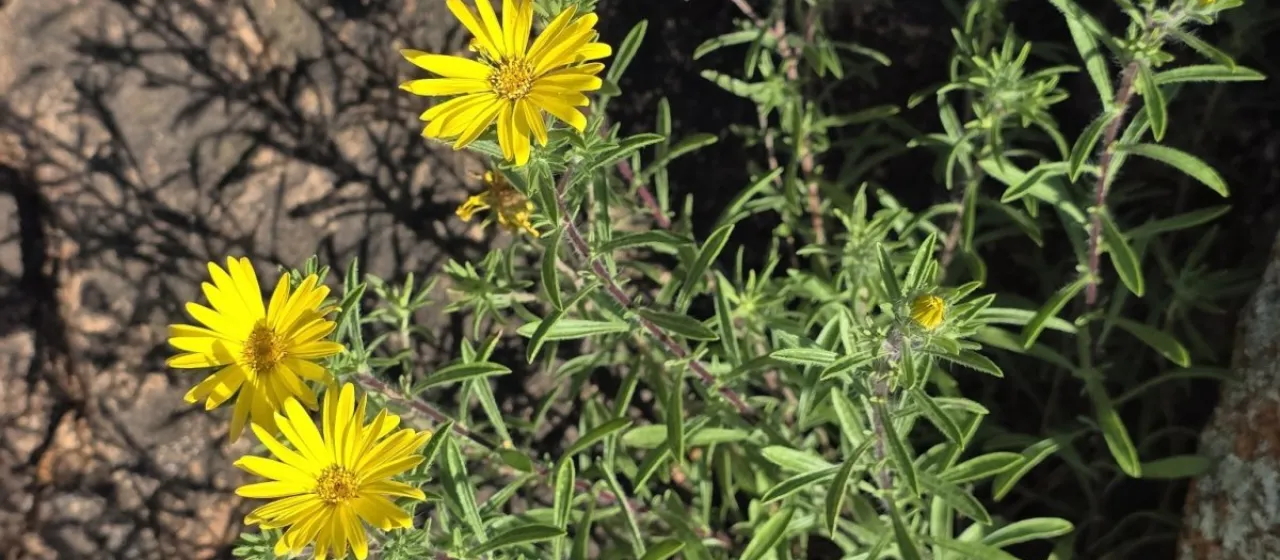
Botanically, Heterotheca stenophylla is distinguished by its narrow, often pubescent leaves designed to minimize water loss through transpiration. It possesses a deep taproot system, which is vital for reaching moisture during prolonged droughts. The plant produces yellow inflorescences typical of the Aster family, blooming during the summer months.
Cultivation requirements favor well-drained, sandy or gravelly soils that prevent moisture retention around the root collar. It performs best in full sunlight and is known for its tolerance to low-nutrient soils. Proper site selection is crucial, as the plant does not compete well in environments with frequent waterlogging or high moisture levels.
The primary agricultural and ecological use of this plant is in soil stabilization and the restoration of natural range vegetation. By maintaining ground cover in areas prone to erosion, it helps preserve soil structure. While it is generally hardy, potential issues include fungal diseases under humid conditions and typical aster-family pests like aphids, though infestations are rarely economically devastating.