
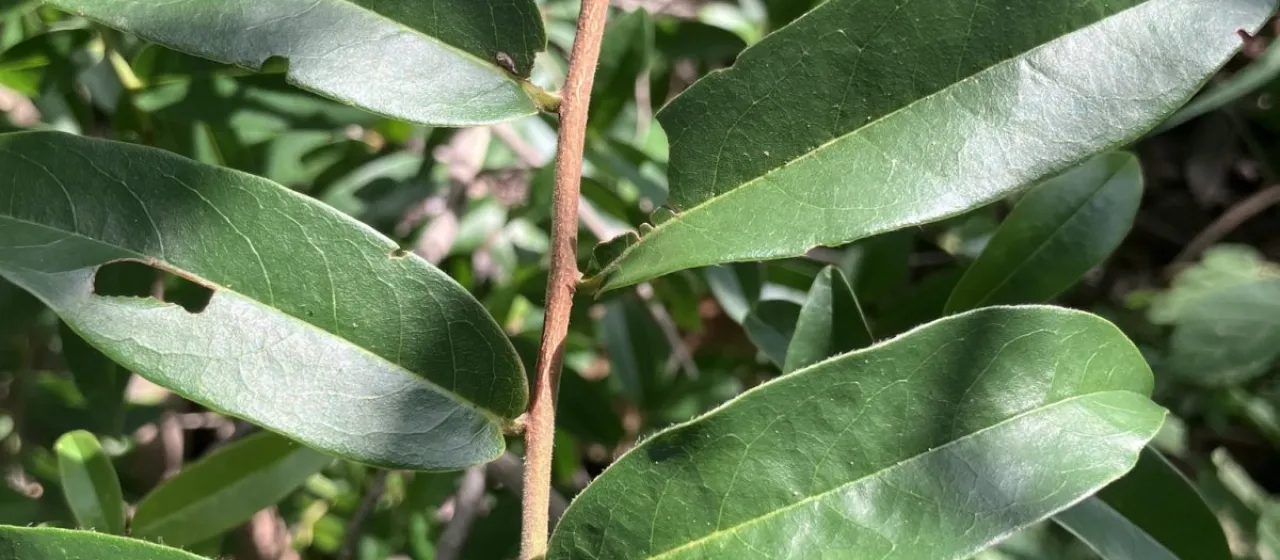
Description
Hexalobus monopetalus is a notable woody plant belonging to the Annonaceae family. Often manifesting as a shrub or a small tree, it is an ecologically significant species in its native African habitats. It is recognized for its unique floral morphology and sweet, edible fruit that plays a role in local food security.
The native range of this species spans across the tropical regions of Africa, specifically found in countries like Angola, Zambia, Zimbabwe, and Mozambique. It naturally thrives in woodland savannahs and thickets, often favoring rocky outcrops and well-drained soils where competition for resources is moderated by environmental factors.
Botanically, the species is defined by its simple, alternate leaves and distinctive flowers with convoluted petals that unfurl in a specific, striking pattern. The fruit consists of multiple carpels that become soft, juicy, and reddish-orange upon ripening. These berries are highly prized for their sweet flavor and are frequently foraged in the wild.
In terms of cultivation, Hexalobus monopetalus requires a warm, tropical or subtropical climate. It thrives in loamy or sandy-loam soils with excellent drainage, as the root system is susceptible to rot in stagnant water. Agricultural maintenance involves light pruning to encourage air circulation and the addition of mulch to maintain moisture levels during the peak of the growing season.
Economic and utility values are manifold. The fruits are consumed fresh or used in local preserves. The wood, known for its toughness and resilience, is traditionally utilized for tool handles, walking sticks, and light construction. Ethnobotanical practices also involve the use of various plant parts in traditional remedies, showcasing the multifaceted role this species plays in human-environment interaction.
While generally hardy, the plant is susceptible to common garden pests such as mealybugs and scale insects, particularly if grown in confined or poorly ventilated conditions. Fungal issues can occur if humidity levels are consistently too high. Effective management strategies involve:
- Regular inspection of the foliage for early pest detection.
- Ensuring adequate spacing between individual plants.
- Application of organic fungicides if localized infections occur.
- Consistent monitoring of soil drainage conditions.