
Description
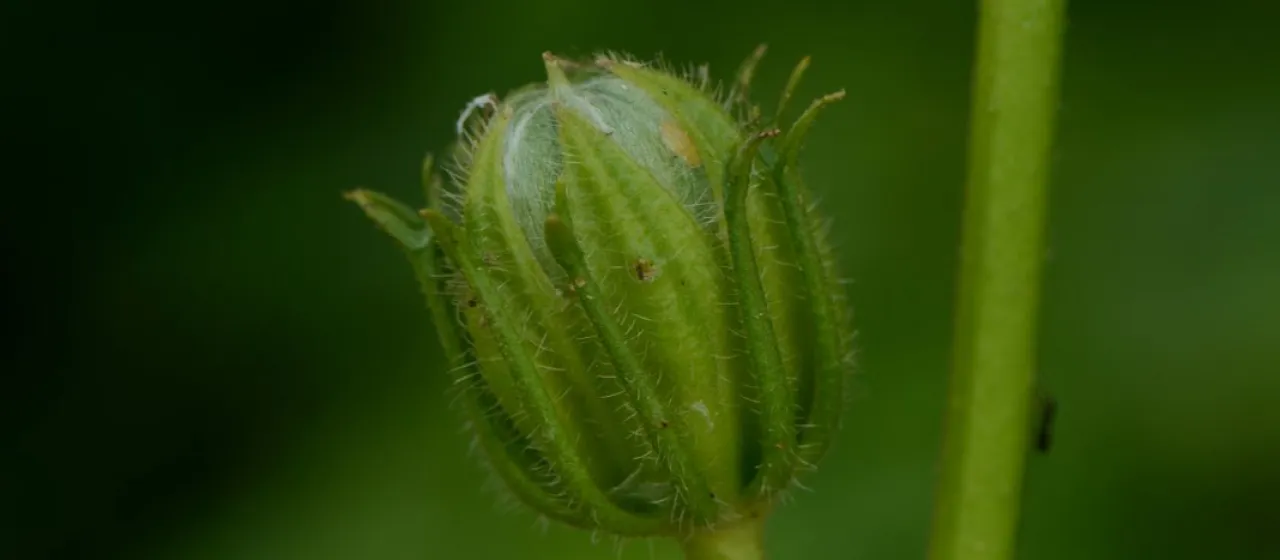
Forked hibiscus (Hibiscus bifurcatus) is a perennial herbaceous plant or subshrub belonging to the Mallow family (Malvaceae). This species is scientifically notable for its distinct morphology, characterized primarily by the presence of bifurcated prickles along its stems, which gives the plant a robust and defensive appearance compared to other hibiscus varieties.
The plant originates from the tropical regions of South America, particularly Brazil. It naturally inhabits humid forest edges, marshy areas, and riverbanks. This geographical origin dictates its ecological requirements, as it thrives in environments characterized by high ambient humidity and consistently warm temperatures, making it sensitive to frost and cold stress.
Botanically, Hibiscus bifurcatus grows as a sturdy bush reaching heights of up to 2-3 meters. Its foliage consists of large, often palmate-lobed leaves that provide a lush appearance. The flowers are typically large and funnel-shaped, displaying vibrant pink or magenta hues. These flowers are known for their ornamental appeal, though they generally have a short duration, lasting usually for a single day.
Agricultural and horticultural cultivation requires specific conditions to achieve optimal growth. The plant prefers deep, fertile, well-drained soils rich in organic matter. A key aspect of its management is maintaining consistent soil moisture, as the plant cannot tolerate prolonged drought. Conversely, adequate drainage must be ensured to prevent root diseases which are common in waterlogged substrate conditions.
While primarily cultivated for ornamental purposes in tropical landscaping, the plant holds potential interest due to the fibrous nature of its stems. Growers should be vigilant about potential health issues and pests:
- Spider mites, which thrive in dry indoor environments.
- Aphids, commonly found on succulent young growth.
- Whiteflies, which can be difficult to manage in greenhouses.
- Fungal root rot caused by poor soil aeration and drainage.