
Description
Swamp hibiscus (Hibiscus diversifolius) is a herbaceous perennial species belonging to the Malvaceae family. Recognized for its fibrous stems and potential in textile applications, this species has been studied as a specialty industrial crop in tropical and subtropical regions across the globe.
The plant is native to tropical Africa, Madagascar, Asia, and parts of Australia, typically thriving in marshy or moist environments. Due to its natural habitat, it demonstrates high water requirements and sensitivity to drought. It is best adapted to regions where the frost-free period is long enough to support significant stem development before the onset of reproductive stages.
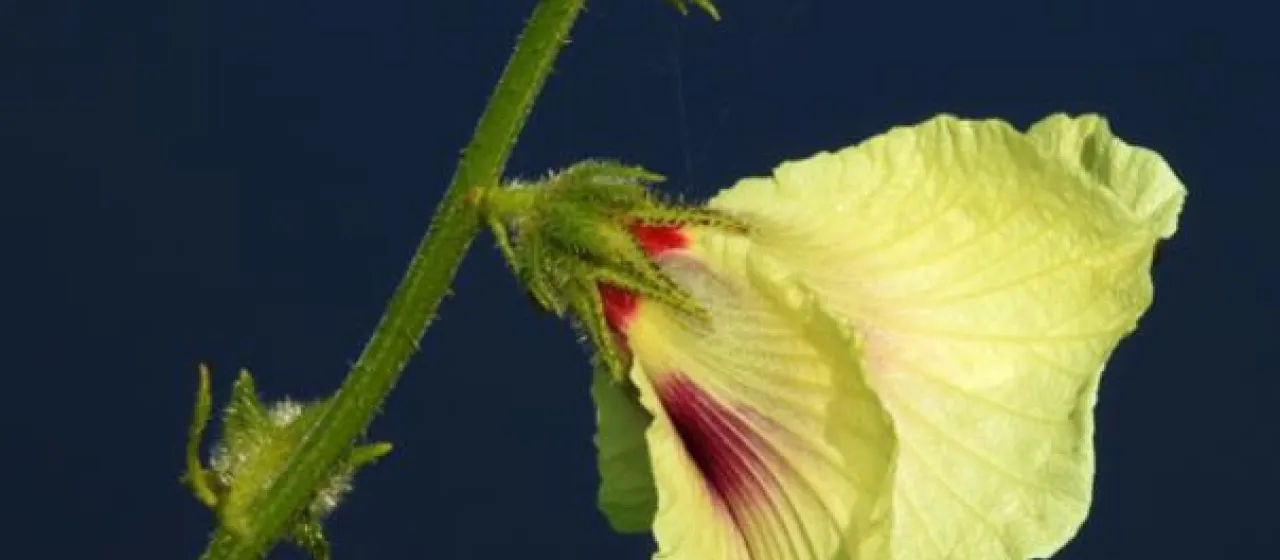
Botanically, it is distinguished by its polymorphic leaves and prominent prickly stems. The plant can reach heights of up to 3 meters, making it a robust producer of biomass. Its yellow flowers, featuring a characteristic maroon eye, are typical for many members of the Hibiscus genus but are particularly striking in this species.
Agronomic management requires fertile, well-draining soils with high moisture-holding capacity. Irrigation is essential during the dry season to prevent plant stress. Proper nitrogen fertilization is recommended to maximize fiber yield, although caution must be exercised to avoid excessive vegetation that might lead to stem lodging during heavy rainfall or wind events.
Economic utility is primarily focused on the extraction of high-quality bast fibers, which can be utilized for cordage, sacking, or industrial textiles. Additionally, its rapid biomass accumulation makes it a candidate for pulp and paper research. Common threats include infestations of aphids, spider mites, and root-knot nematodes, which necessitate integrated pest management strategies to maintain plantation health.