
Description
Hamabo hibiscus (Hibiscus hamabo) is a perennial shrub belonging to the Malvaceae family. This species is highly regarded in horticulture for its remarkable tolerance to coastal environments, making it a unique ornamental candidate for regions where salt spray and humidity limit the choice of flora.
The plant is native to the coastal areas of East Asia, primarily distributed throughout Japan, Korea, and China. Its natural habitat includes river estuaries and sandy beaches, which has shaped its physiological resilience to environmental stressors that typically inhibit the growth of standard ornamental hibiscus varieties.
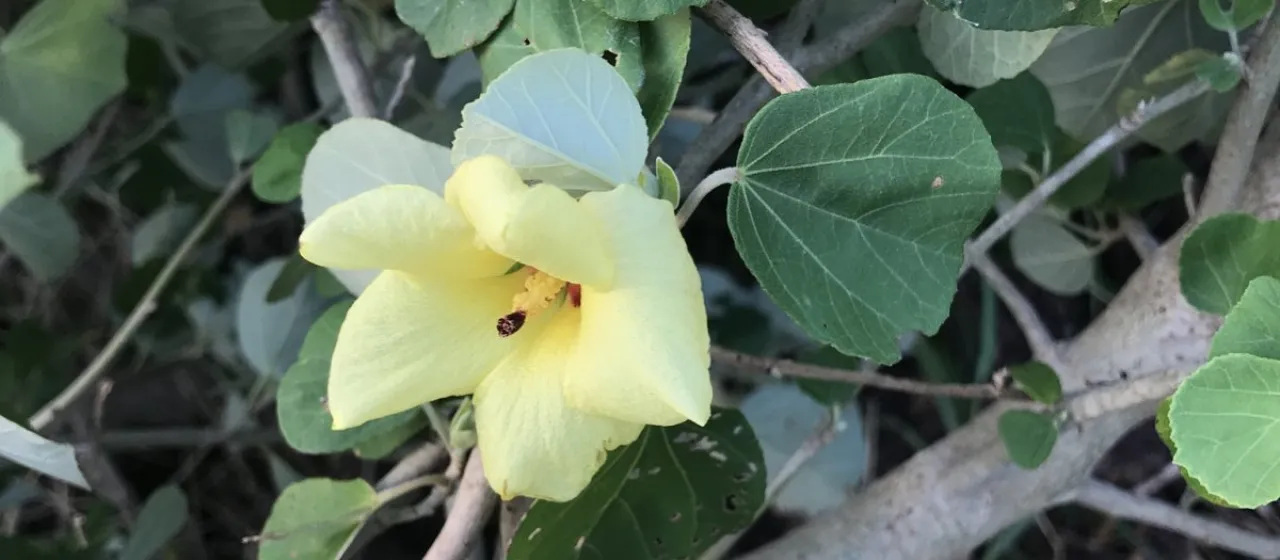
Botanically, the plant grows as a deciduous shrub or small tree. It features rounded, velvety leaves and striking bright yellow flowers with dark red centers, which create a high contrast in landscape design. The blooming season provides a long display of color, adding significant aesthetic value to public and private gardens.
For successful cultivation, the Hamabo hibiscus requires full sun exposure and well-draining soil. While it is tolerant to saline conditions, it thrives best in organic-rich, slightly acidic to neutral soils. In terms of maintenance, regular pruning is necessary to maintain a desirable shape and encourage more dense flowering in subsequent seasons.
The species is susceptible to common garden pests such as aphids and spider mites, particularly when grown under suboptimal conditions. Furthermore, root rot may occur if the soil lacks sufficient drainage. Maintaining a healthy soil moisture balance and regular foliage inspections are the primary steps for effective pest and disease management.