
Description
Hibiscus lobatus is an annual herbaceous plant belonging to the Malvaceae family. It is recognized for its unique leaf morphology and its biological capacity to thrive in diverse tropical environments, serving as a distinct botanical member of the Hibiscus genus.
The plant is native to the African continent and has expanded its presence into various tropical regions across Asia. It is traditionally found in open savannas, disturbed landscapes, and agricultural plots where the warm, humid climate supports its rapid growth cycle and high reproductive potential.
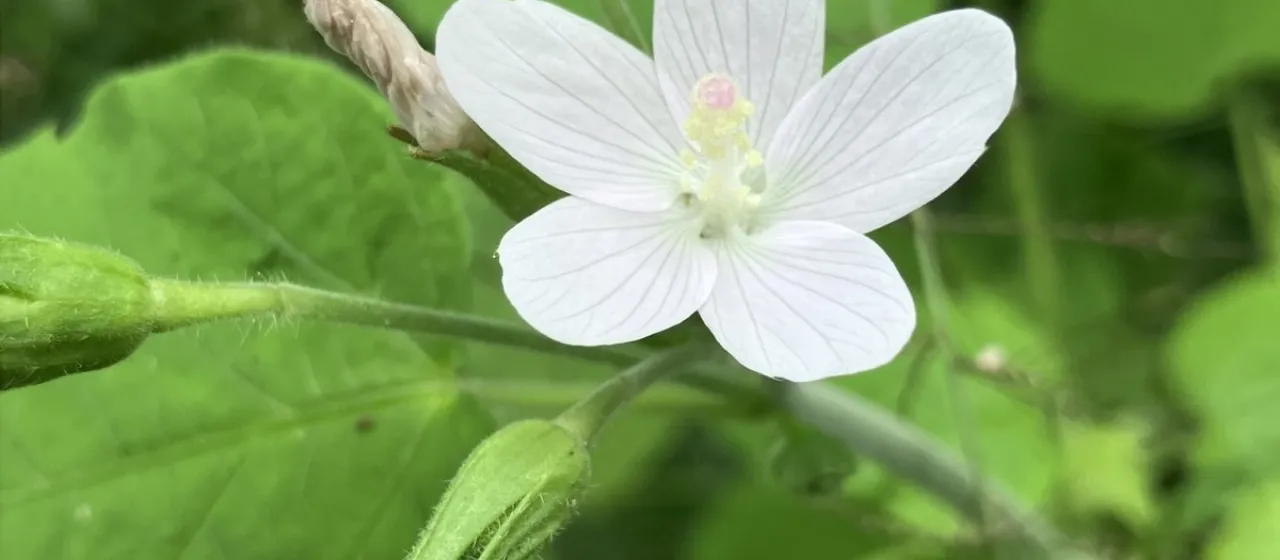
Botanically, the plant is characterized by its distinctively lobed foliage and erect stems. The flowers are generally small, exhibiting the iconic structure of the Malvaceae family, often displaying cream or pale yellow petals that bloom sequentially during the warmer months of the year.
Cultivation requires well-drained, nutrient-rich soils with moderate moisture retention. Essential agronomic practices include site preparation to ensure adequate aeration, regular weeding during the early stages of growth, and supplemental irrigation in drier climates to maintain plant vigor throughout the vegetative phase.
The crop is utilized primarily for its fibrous stems, which can be processed for various local applications, as well as for its potential role in livestock forage systems. Common challenges include fungal infections related to high humidity and infestations by pests such as leaf miners or mites, which necessitate diligent field monitoring and prophylactic management.