
Description
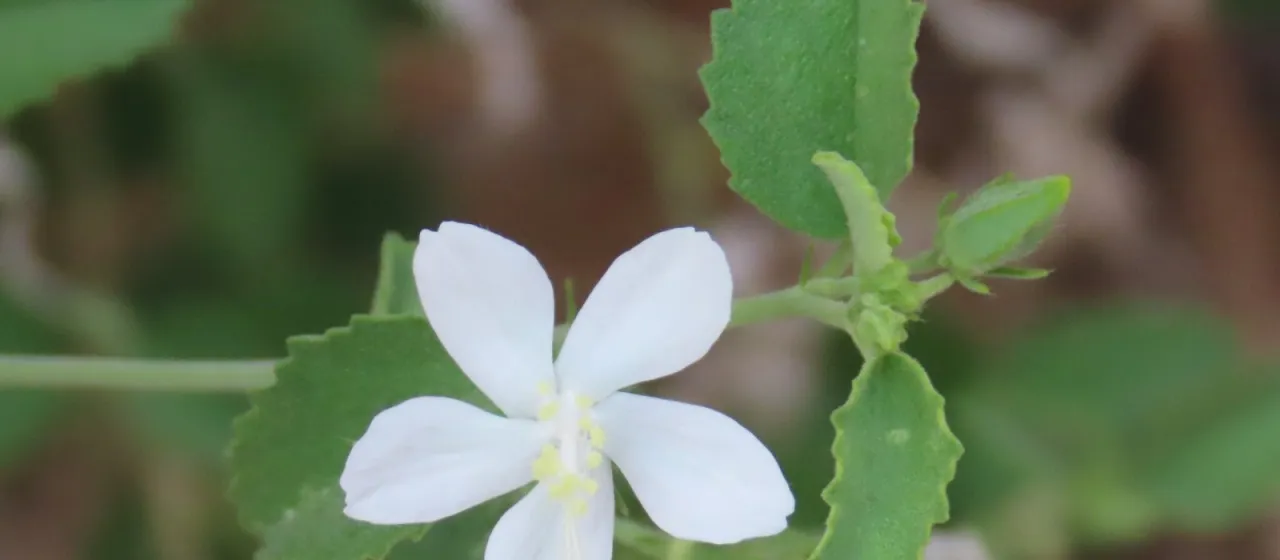
Tiny-flowered hibiscus (Hibiscus micranthus) is a perennial shrub belonging to the Malvaceae family. It is distinct for its relatively small blossoms compared to other popular members of the hibiscus genus. This species is highly valued in its native regions for its ability to thrive in harsh, arid environments where other agricultural crops struggle to survive.
The plant originates from the tropical regions of Africa, India, and the Arabian Peninsula. Its natural habitat is typically characterized by open, sunny, and dry landscapes such as savannahs and bushlands. Through evolutionary adaptation, it has developed mechanisms to efficiently utilize seasonal rainfall and withstand prolonged dry spells.
Botanically, Hibiscus micranthus is a bushy shrub that can grow up to 2-3 meters in height. The stems are slender and woody, and the leaves are often ovate and pubescent, which helps in reducing water loss. The flowers are typically white to pinkish, blooming in the leaf axils, and are known for their delicate and elegant structure.
When considering the cultivation of this species, the following requirements must be met:
- Soil: Needs well-draining, sandy or loamy soils with neutral pH.
- Light: Requires full exposure to sunlight for optimal growth.
- Climate: Tropical to subtropical conditions; the plant is sensitive to frost.
- Watering: Minimal irrigation is required once the plant is established.
In terms of economic use, this species is frequently used in traditional medicine, where various extracts are utilized for their therapeutic properties. Furthermore, the fibers extracted from the stems have historically been used for cordage and textile applications. It is also an effective plant for soil stabilization projects in semi-arid ecological zones.
Common pests include aphids and spider mites, particularly when grown in controlled or greenhouse conditions with high humidity. Plant diseases are usually linked to poor soil drainage, which promotes root rot and fungal colonization. Proper site selection and avoiding overwatering are the primary methods for ensuring the health and longevity of Hibiscus micranthus crops.